Composer · Romantic · 1844–1937
Charles-Marie Widor
French organist and composer (1844–1937).
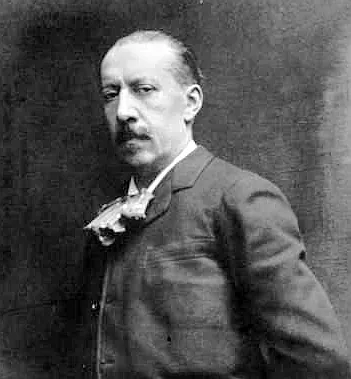
Biography
Charles-Marie-Jean-Albert Widor (21 February 1844 – 12 March 1937) was a French organist, composer and teacher of the late Romantic era. As a composer he is known for his ten organ symphonies, especially the toccata of his fifth organ symphony, which is frequently played as recessional music at weddings and other celebrations.
He was the longest-serving organist of Saint-Sulpice in Paris, a role he held for 63 years (January 1870 – 31 December 1933). He also was organ professor at the Paris Conservatory from 1890 to 1896 (following César Franck) and then he became professor of composition at the same institution, following Théodore Dubois.
Widor was a prolific composer, writing music for organ, piano, voice and ensembles. Apart from his ten organ symphonies, he also wrote three symphonies for orchestra and organ, several songs for piano and voice, four operas and a ballet. He was one of the first composers to use the term "symphony" for some of his organ compositions, helped in this by the organs built by Aristide Cavaillé-Coll.
Text adapted from the Wikipedia article “Charles-Marie Widor”, licensed under CC BY-SA 4.0.
Works with clarinet
- Introduction et rondo (1898) · free score
- Introduction and Rondo, for clarinet and piano, op. 72
Works with flute
- Suite, for flute and piano, op. 34