Atlas
Musical Instrument Atlas
Profiles of 47 orchestral, band and folk instruments with written and sounding ranges, transposition, clefs, classification, history, recordings and museum examples.
See all ranges on one chart → Transposition chart →
Woodwinds
Flutes, single reeds and double reeds — instruments whose sound comes from an air column set vibrating by an edge, a reed or a pair of reeds.
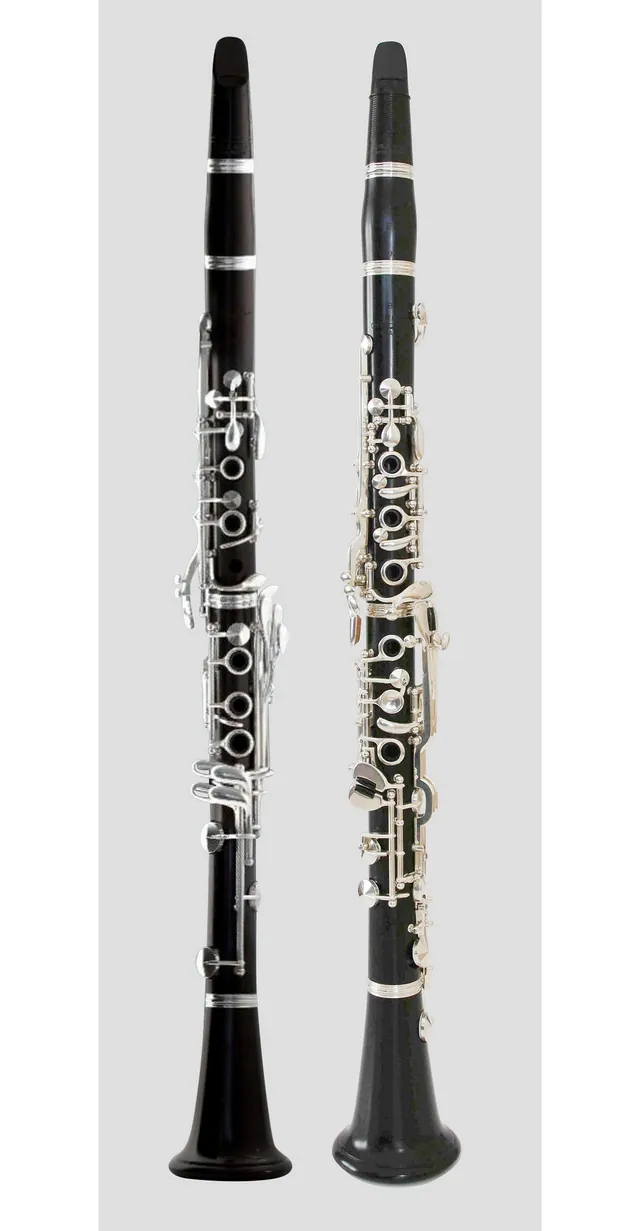
B♭ Clarinet
D3 – B♭6 sounding

A Clarinet
C♯3 – A6 sounding
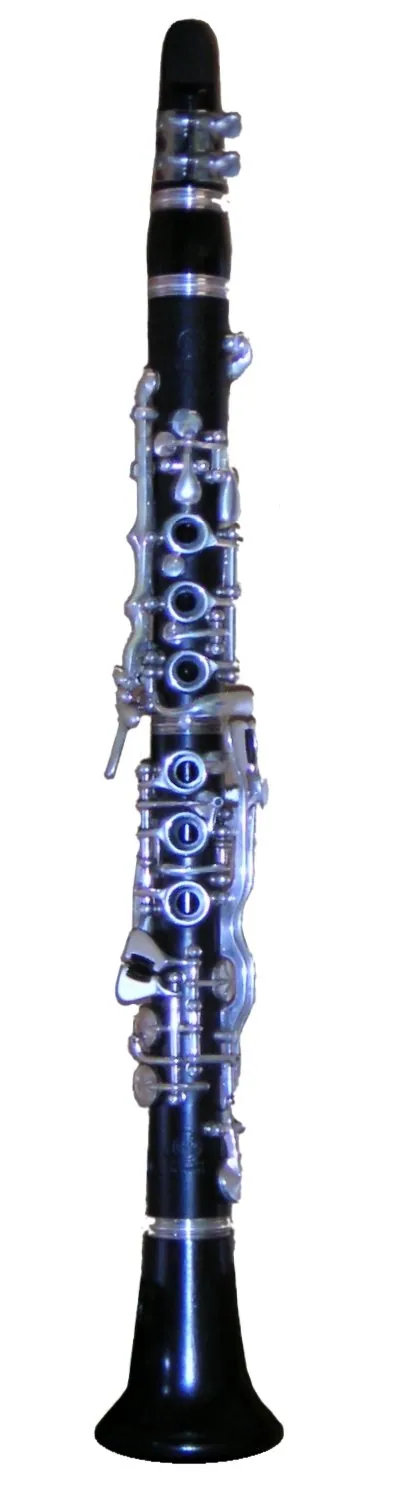
E♭ Clarinet
G3 – C7 sounding
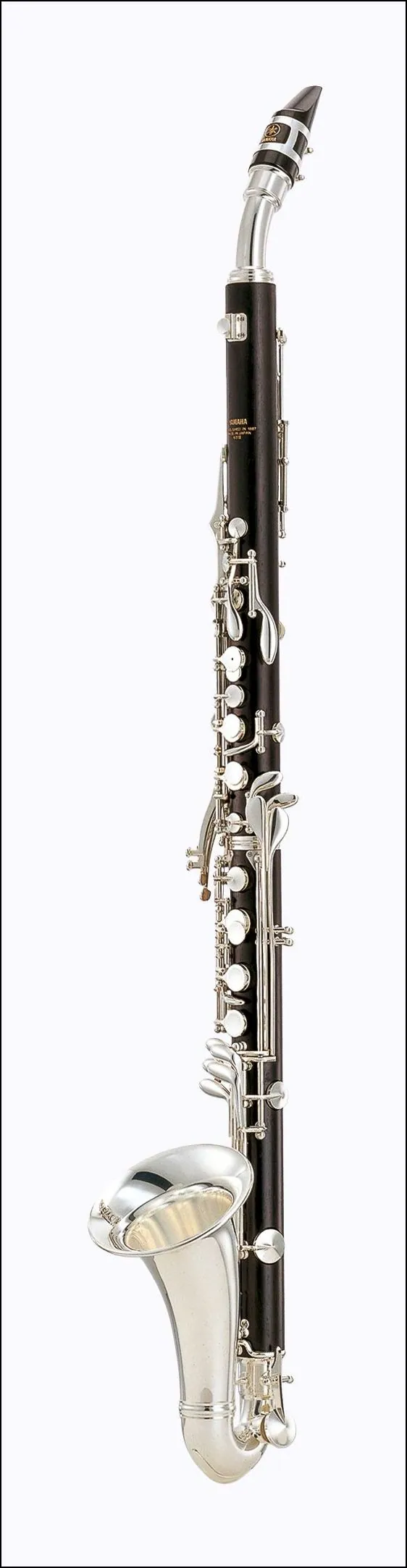
Alto Clarinet
G♭2 – B♭5 sounding
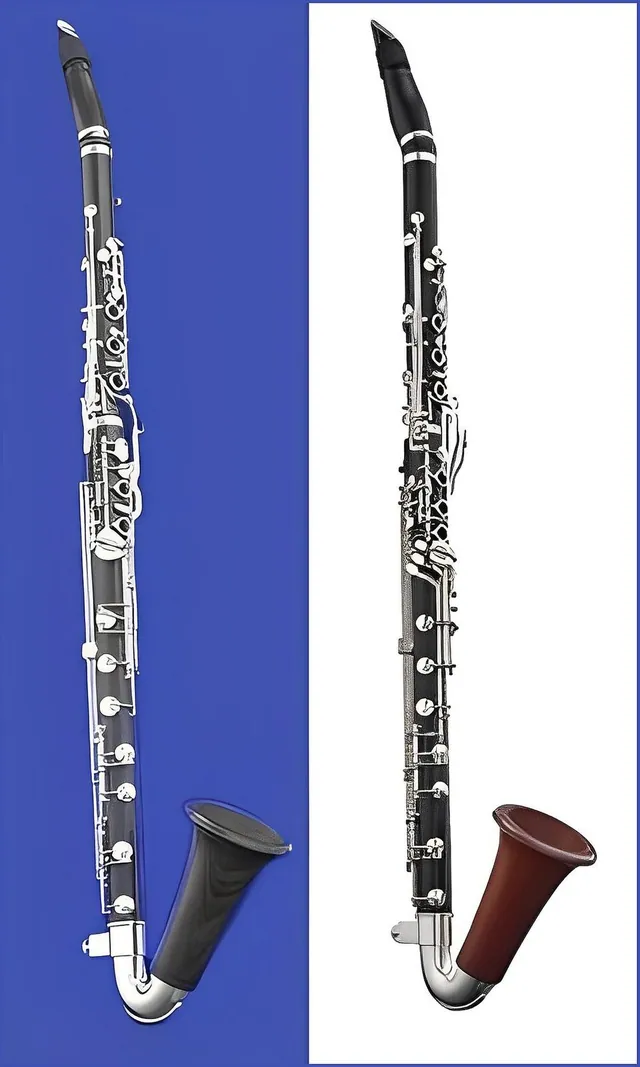
Basset Horn
F2 – C6 sounding
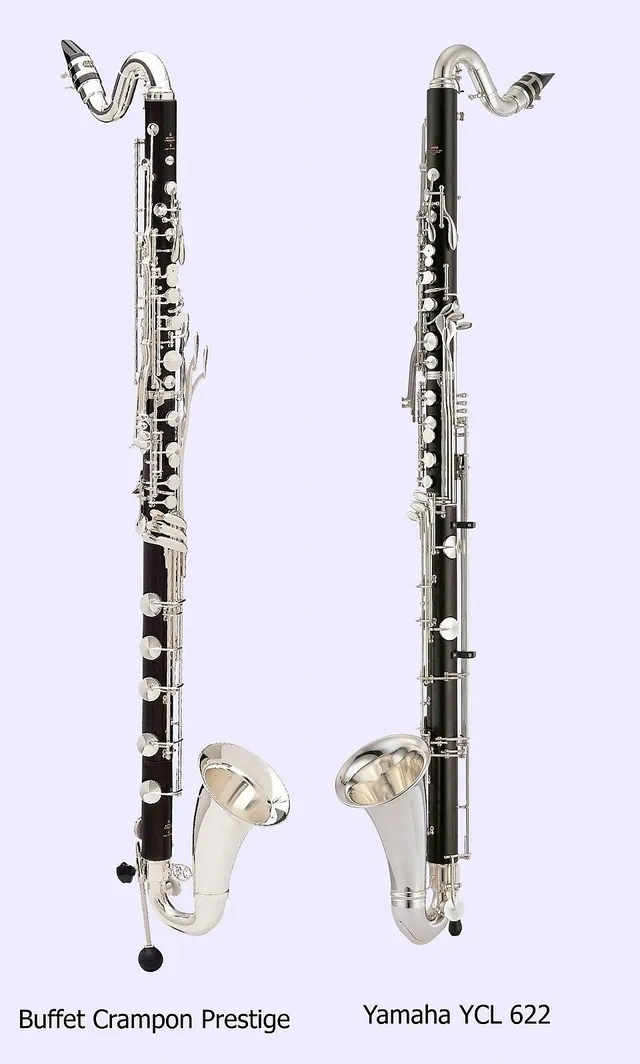
Bass Clarinet
B♭1 – F5 sounding
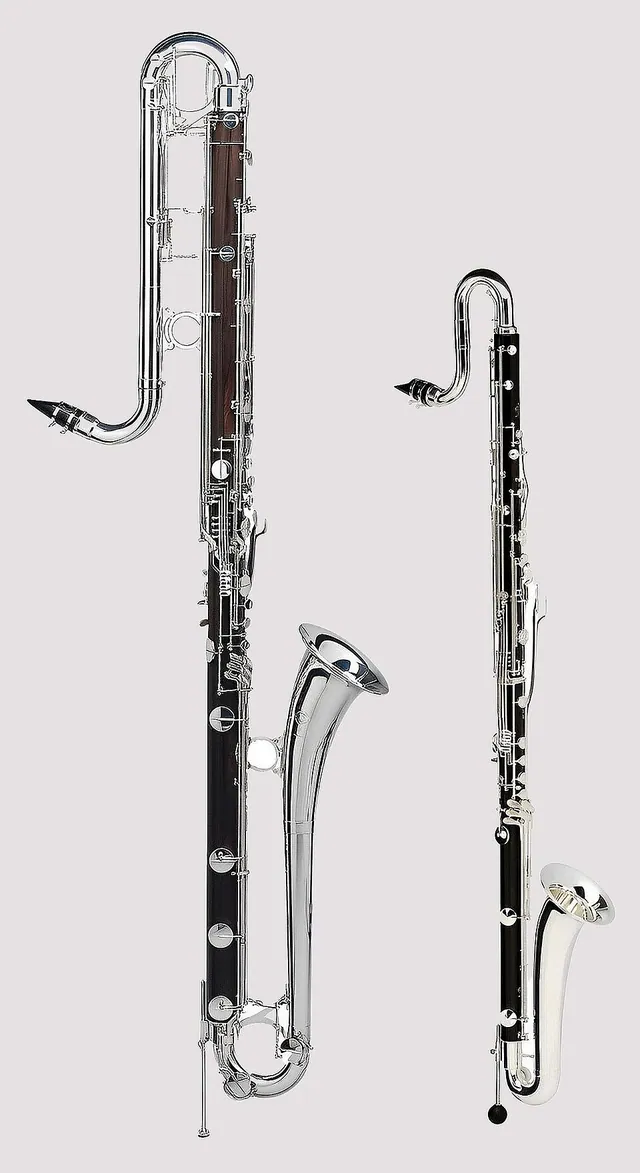
Contrabass Clarinet
B♭0 – D4 sounding
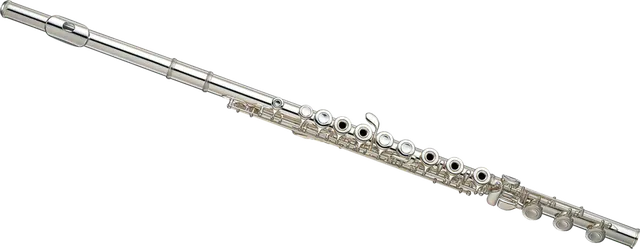
Flute
C4 – C7 sounding
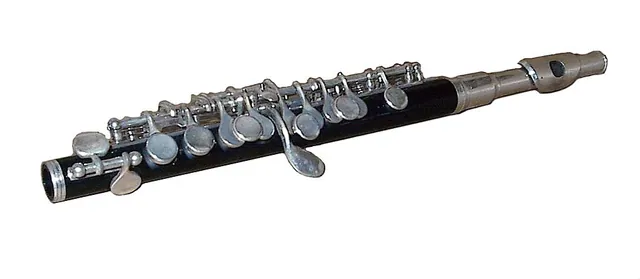
Piccolo
D5 – C8 sounding
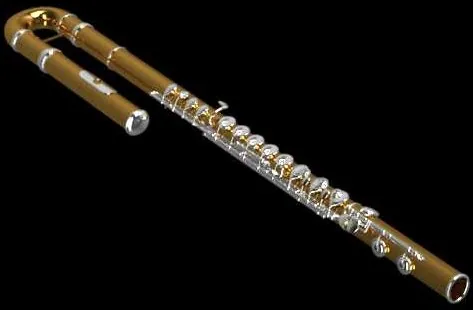
Alto Flute
G3 – G6 sounding
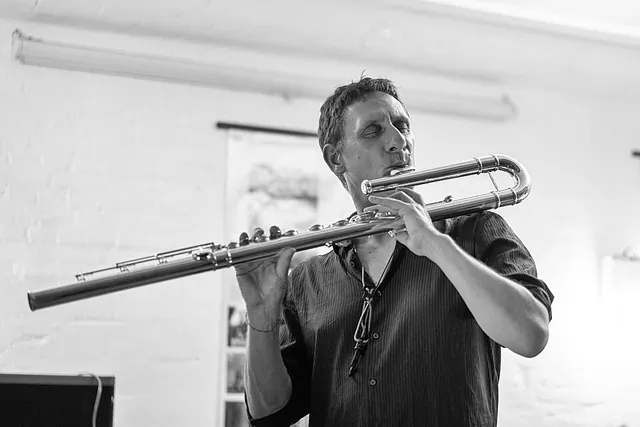
Bass Flute
C3 – C6 sounding

Soprano Recorder
C5 – D7 sounding
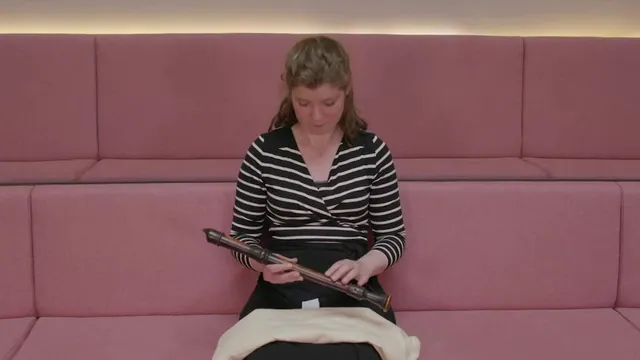
Alto Recorder
F4 – G6 sounding
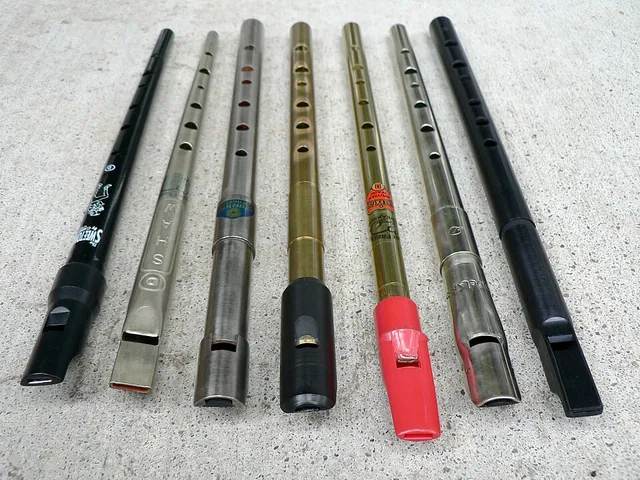
Tin Whistle
D5 – D7 sounding
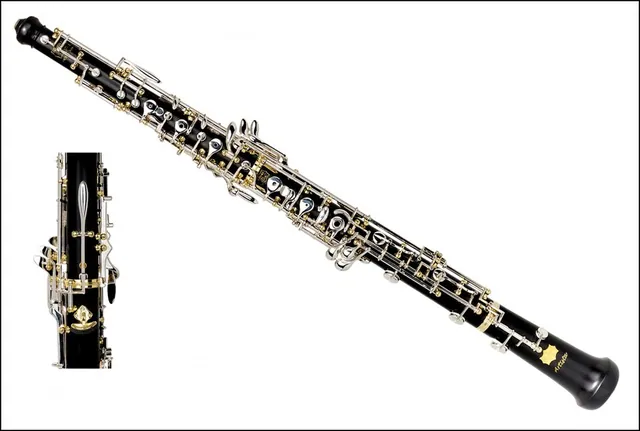
Oboe
B♭3 – A6 sounding
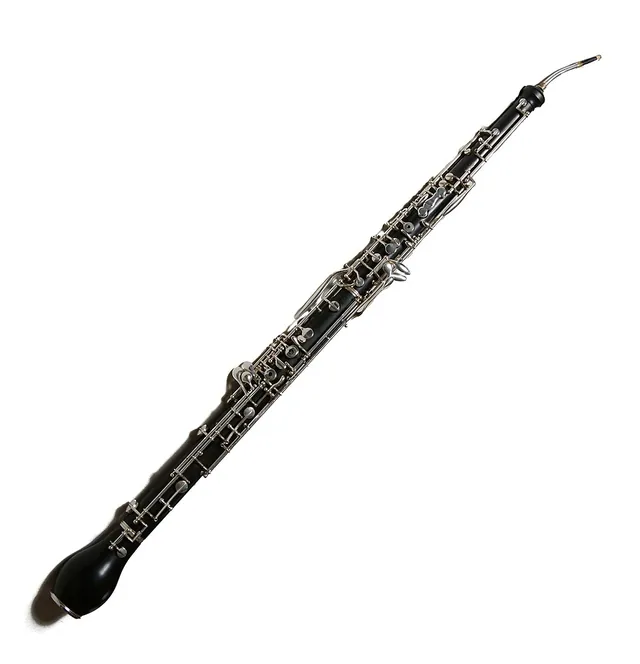
English Horn
E3 – C6 sounding
Oboe d'amore
G♯3 – C♯6 sounding
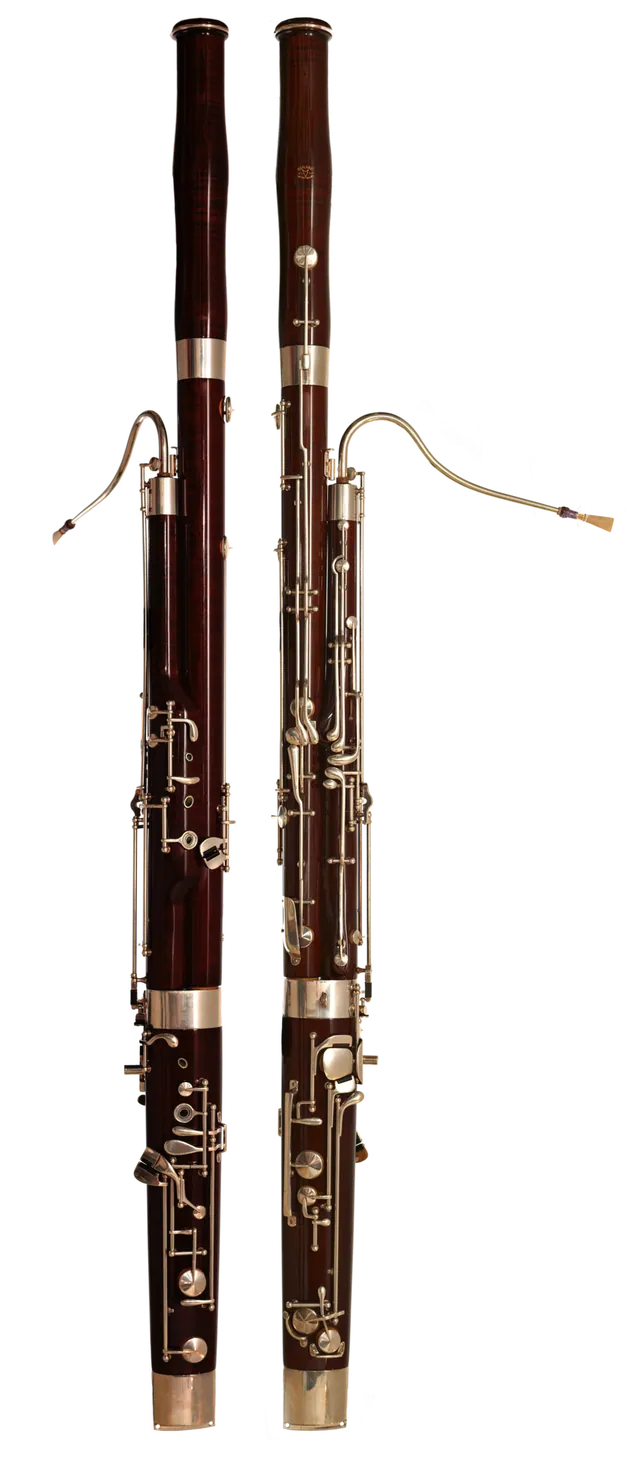
Bassoon
B♭1 – E5 sounding
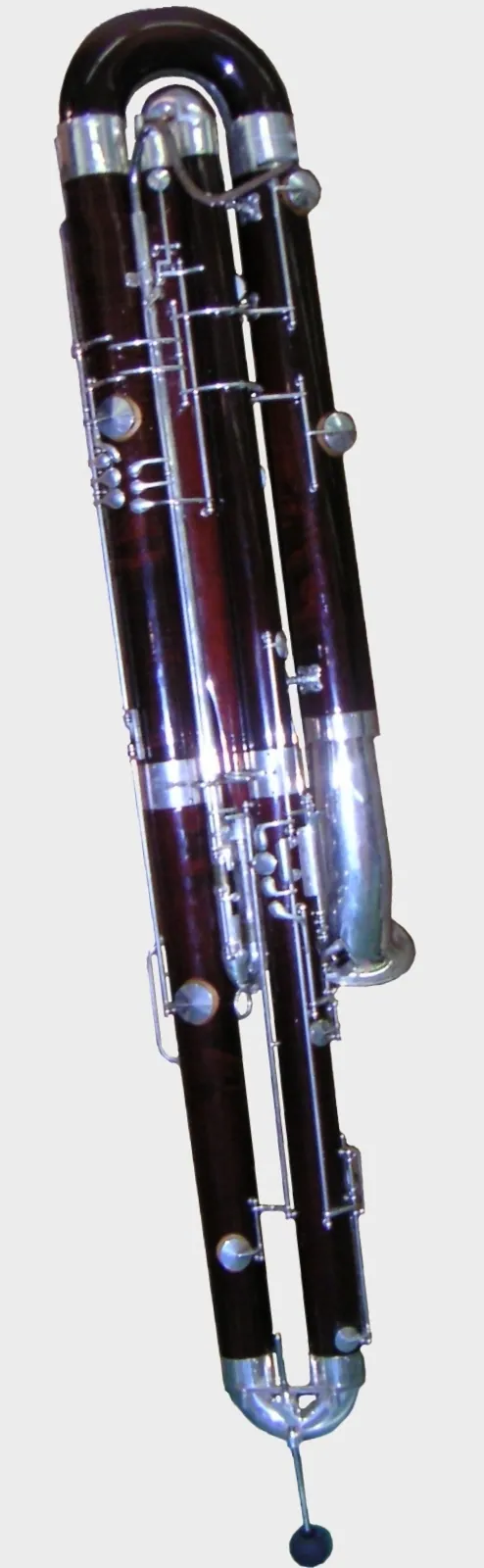
Contrabassoon
B♭0 – B♭3 sounding
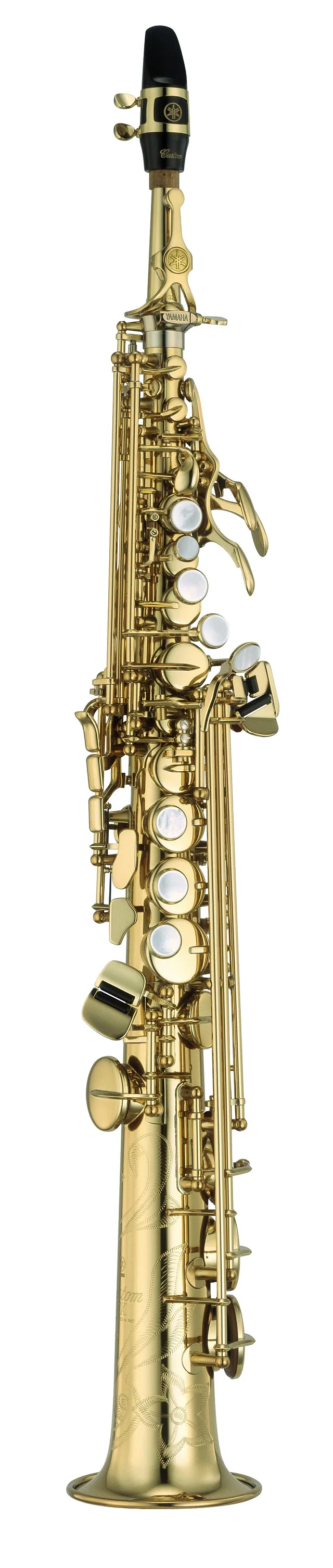
Soprano Saxophone
A♭3 – E6 sounding
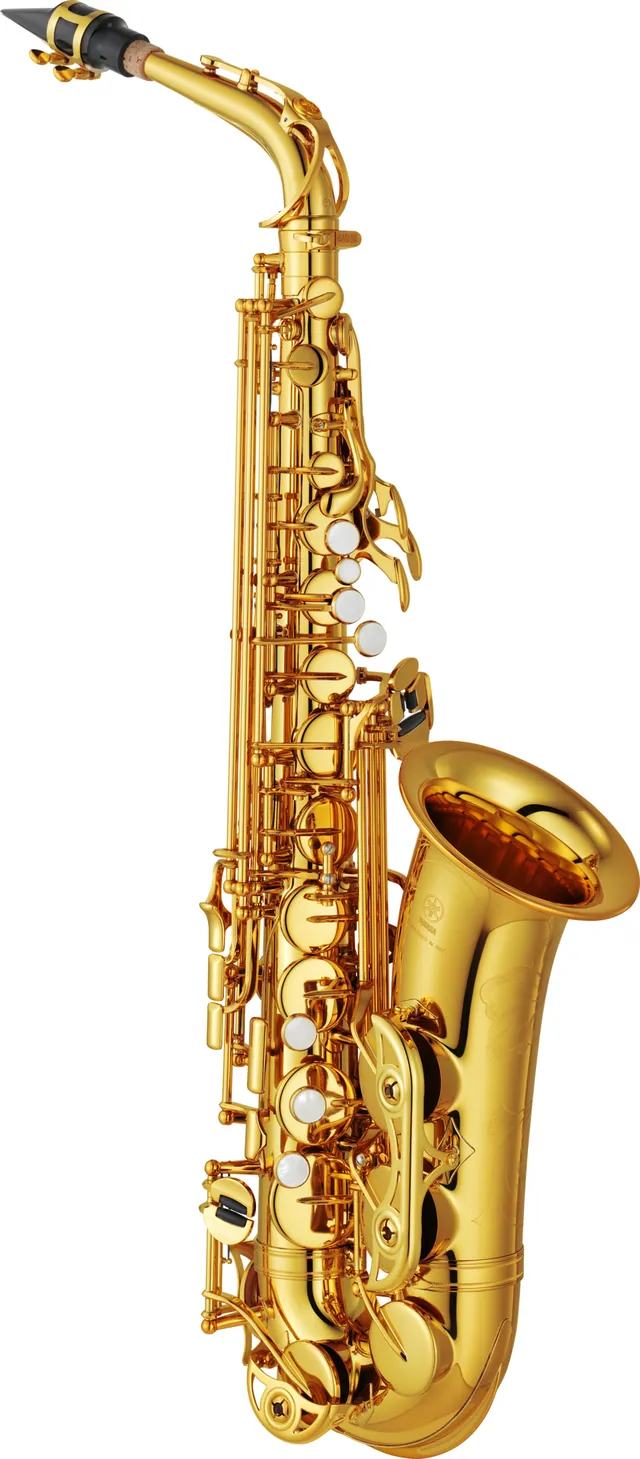
Alto Saxophone
D♭3 – A5 sounding
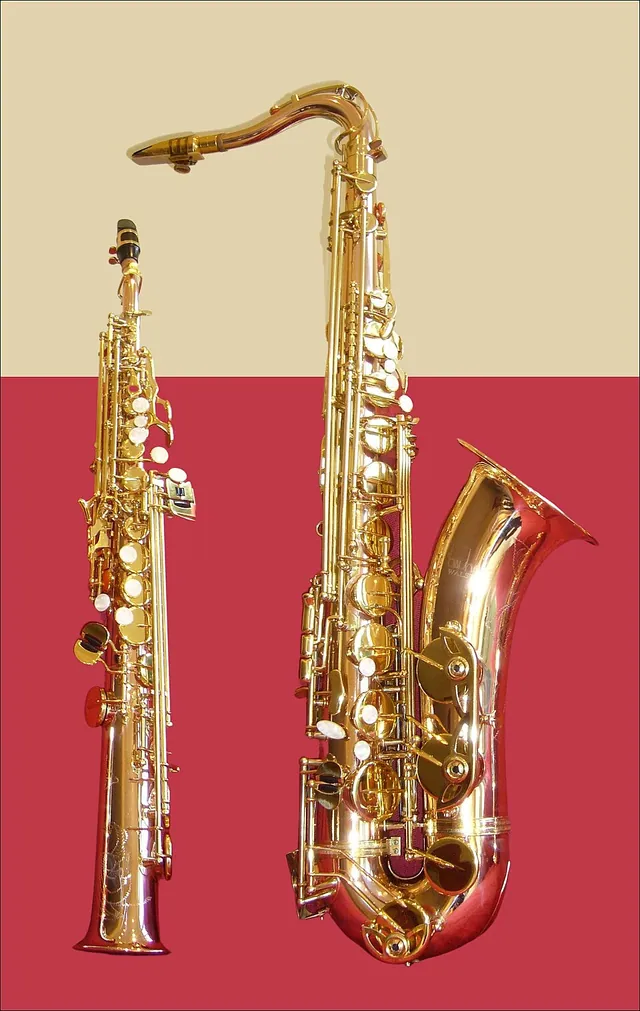
Tenor Saxophone
A♭2 – E5 sounding
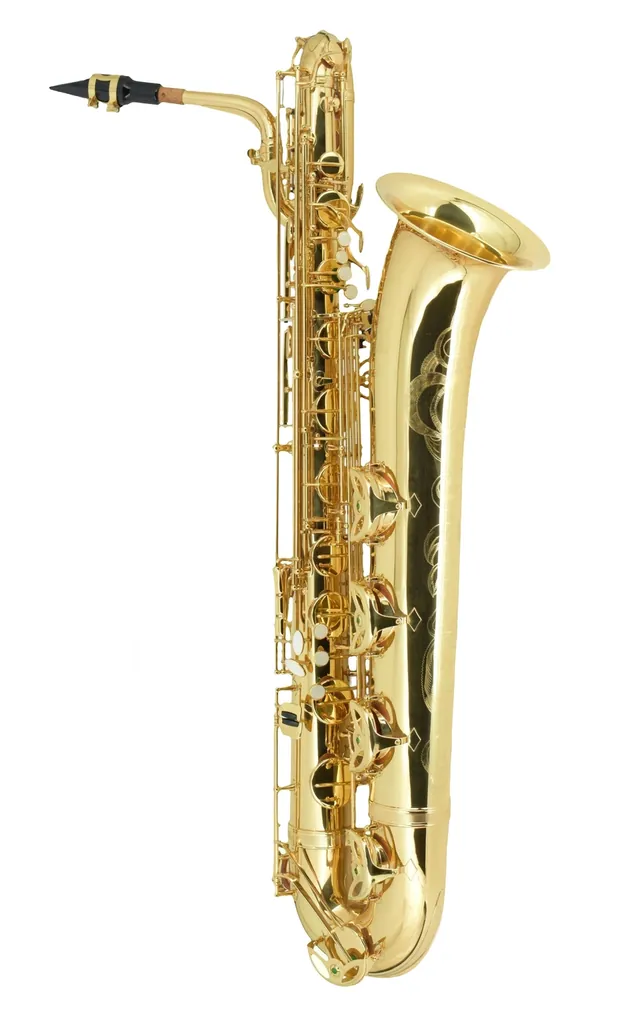
Baritone Saxophone
C2 – A4 sounding
Brass
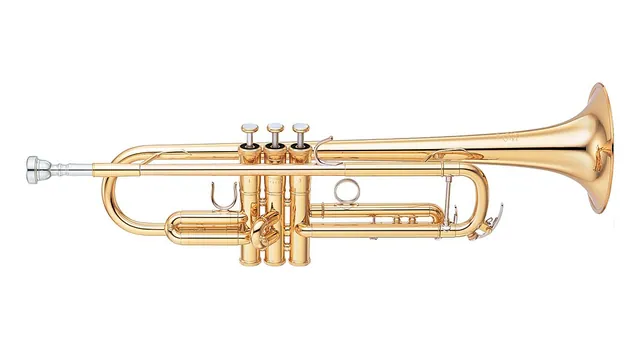
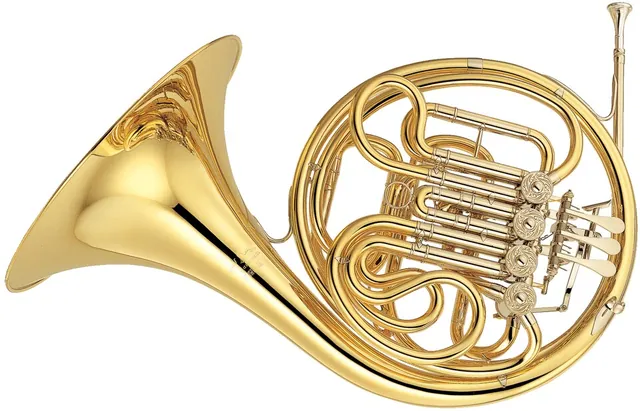
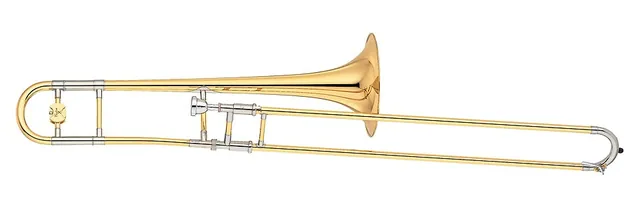
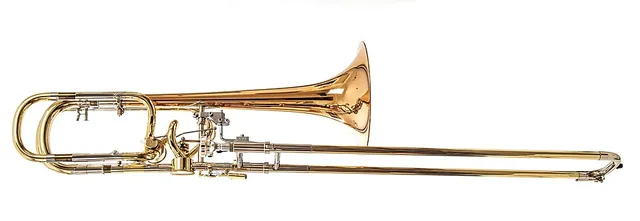
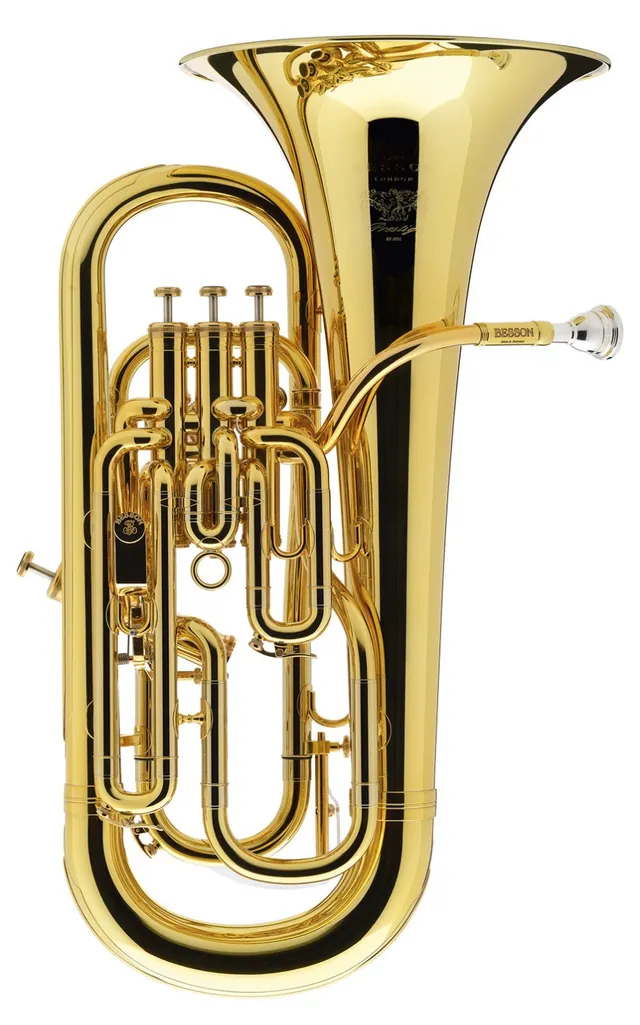
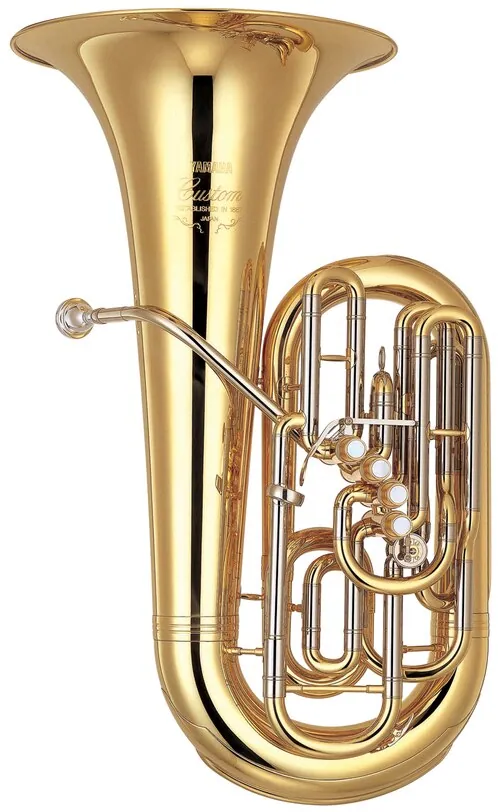
Lip-reed instruments: the player's buzzing lips drive the air column, and valves or a slide change its length.
Bowed strings
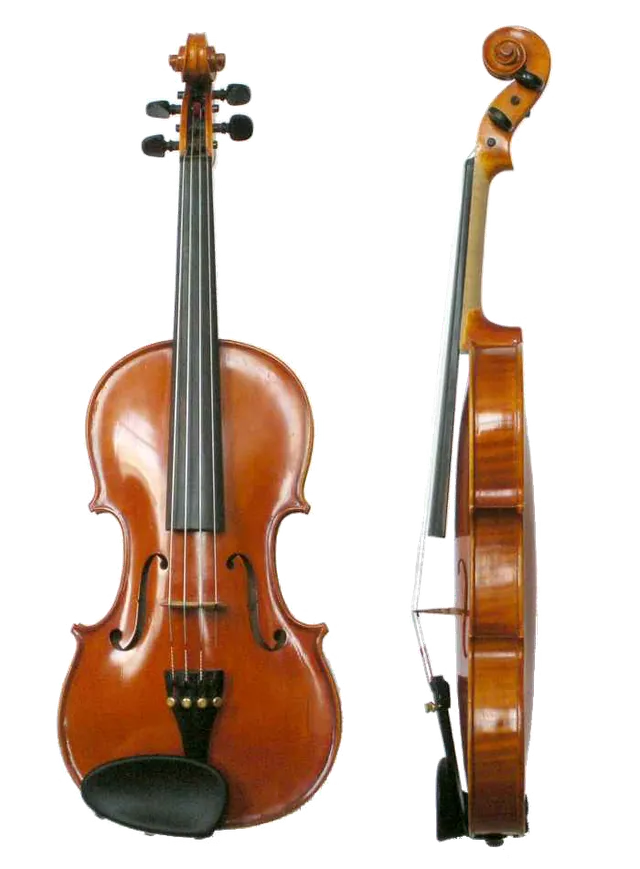
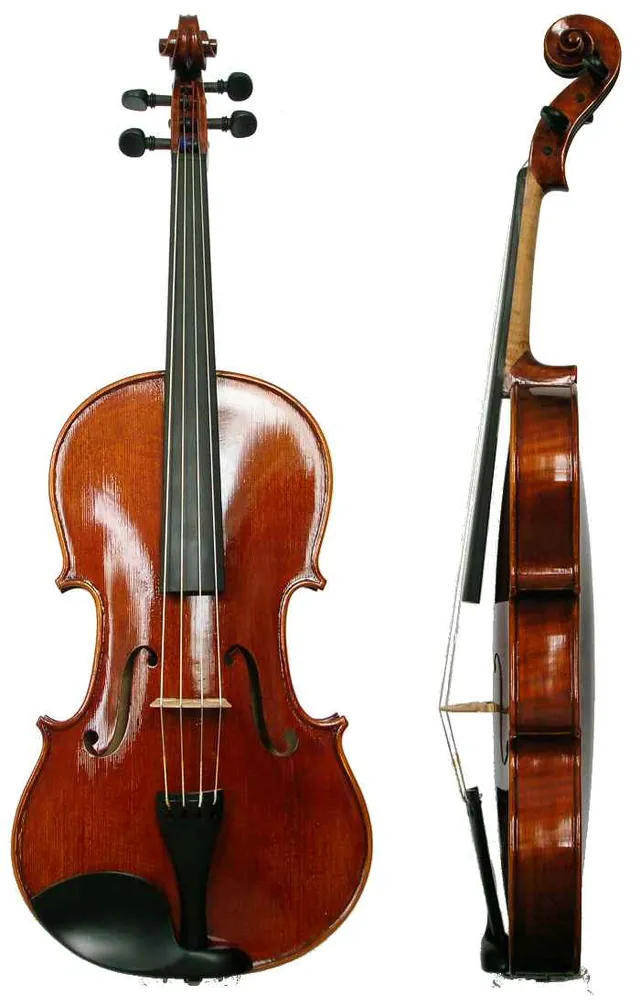
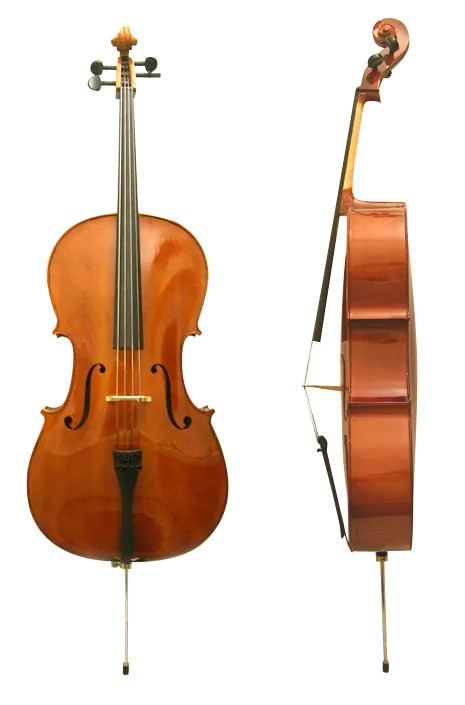
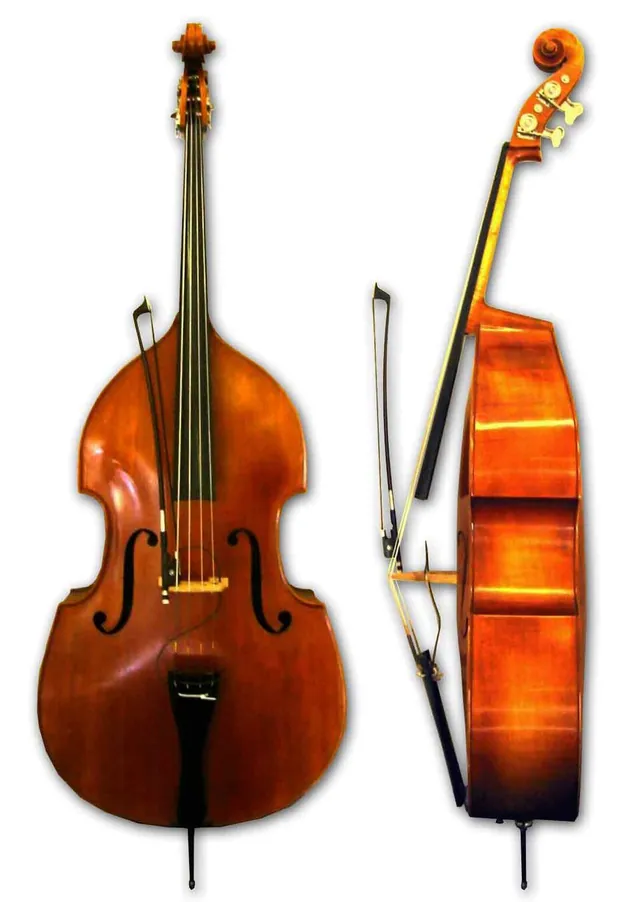
The violin family and the double bass — strings excited by a bow, stopped on a fingerboard without frets.
Plucked & fretted
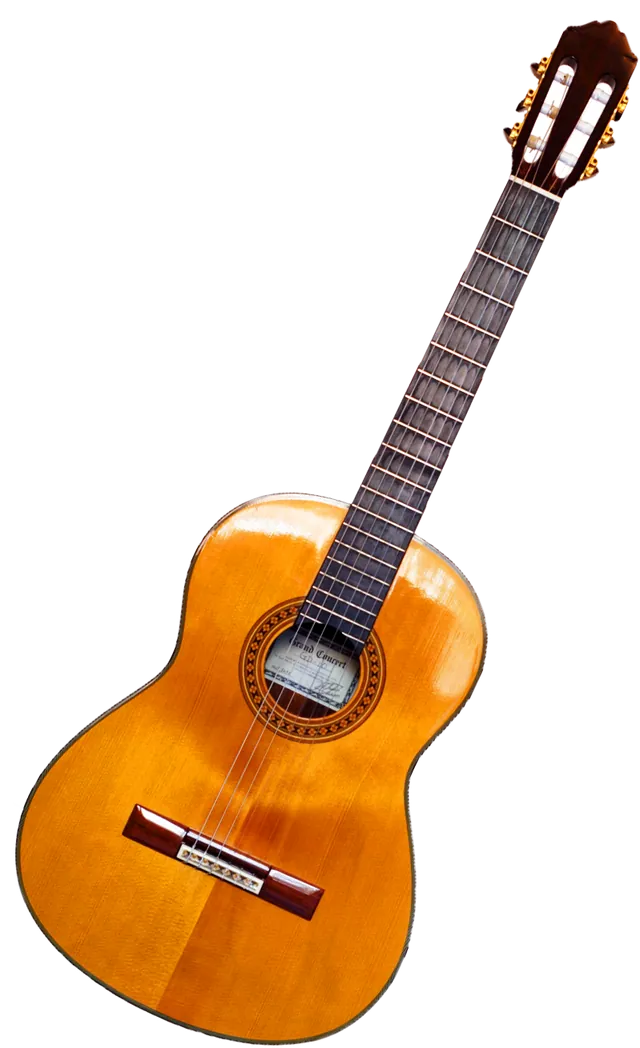
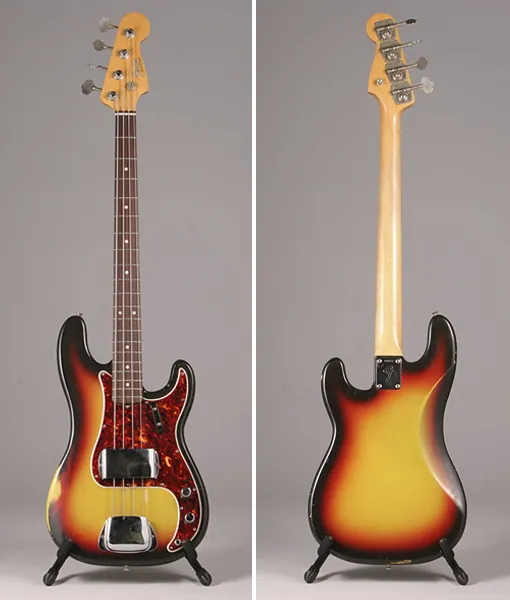
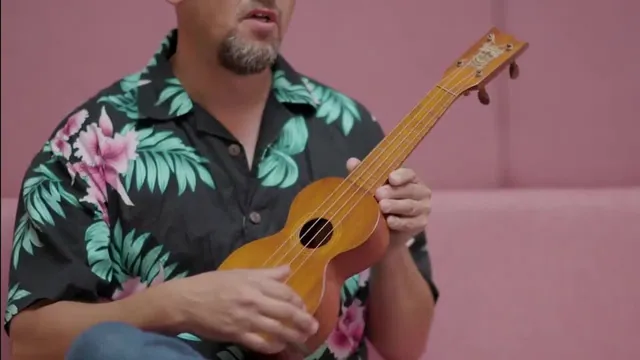
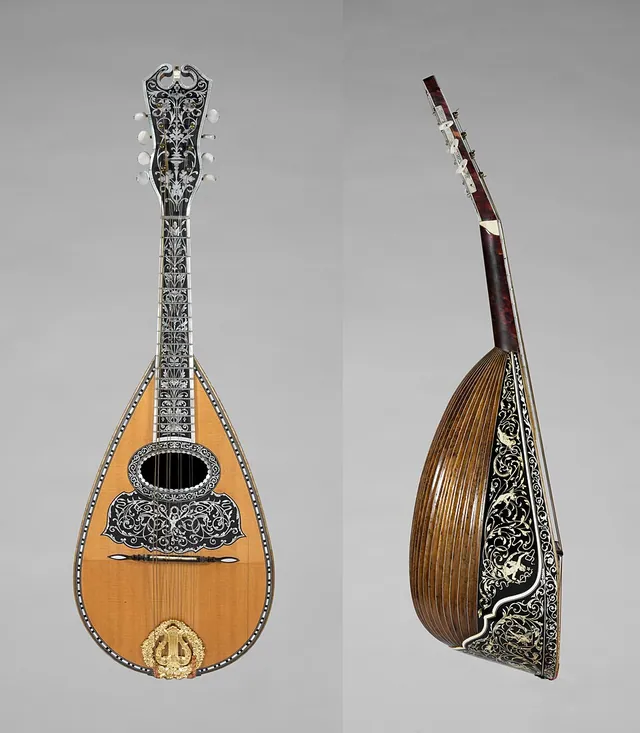
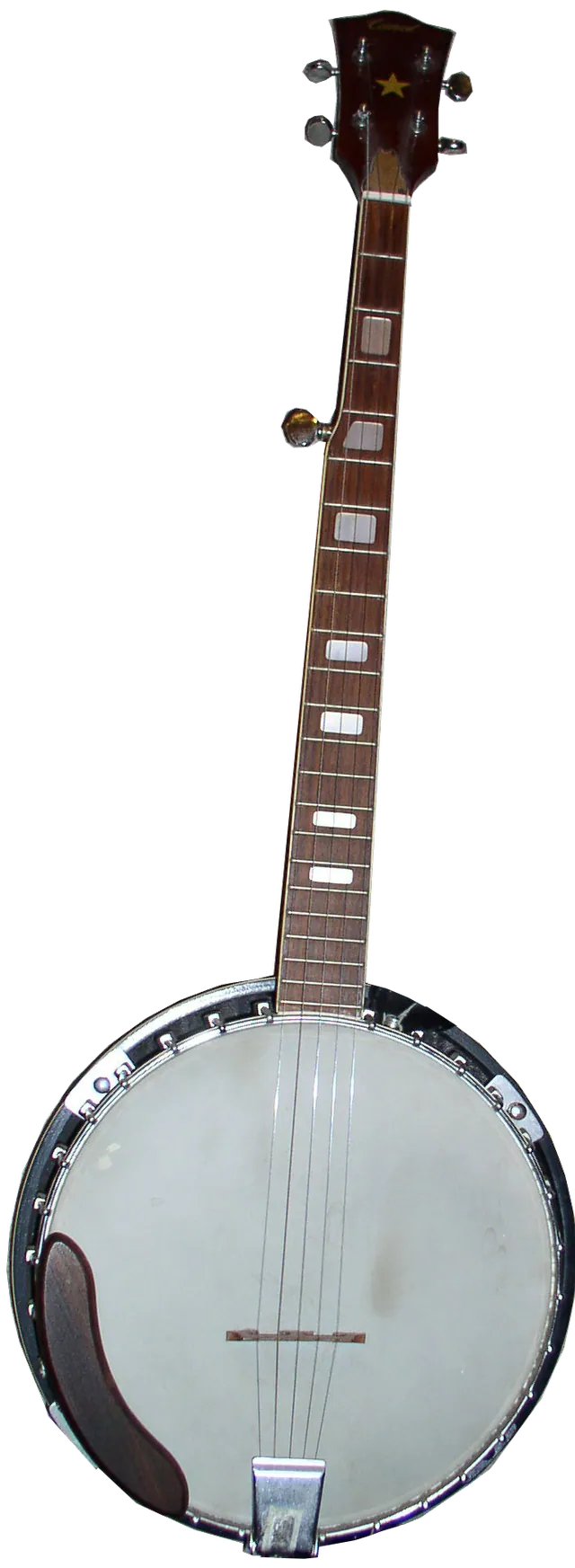
Guitars, lutes and harps — strings set in motion by fingers or a plectrum.

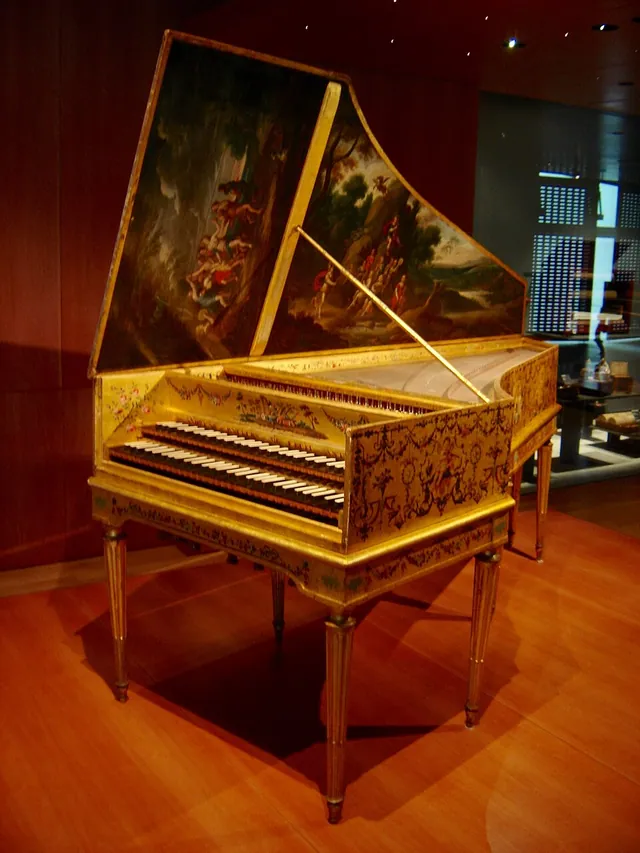
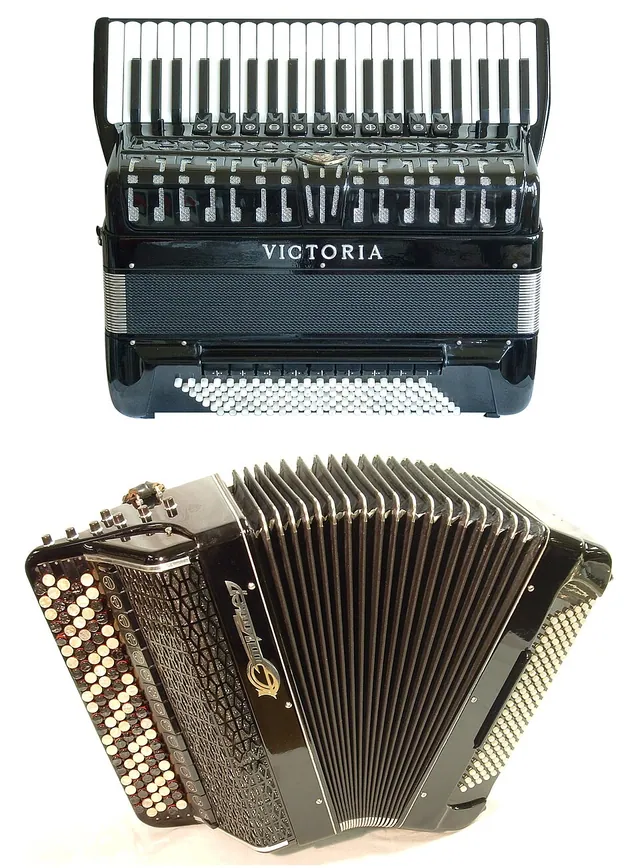
Keyboards
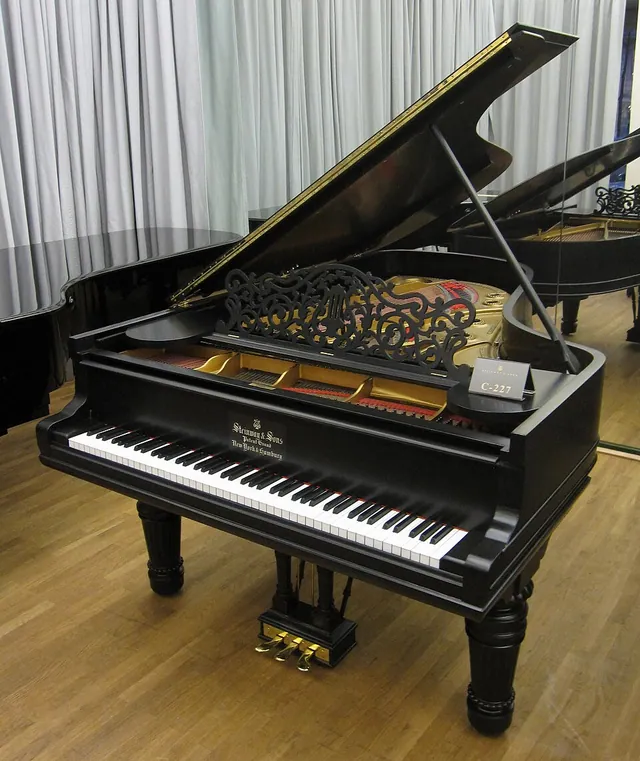
Instruments played from a keyboard: struck strings, plucked strings and more.
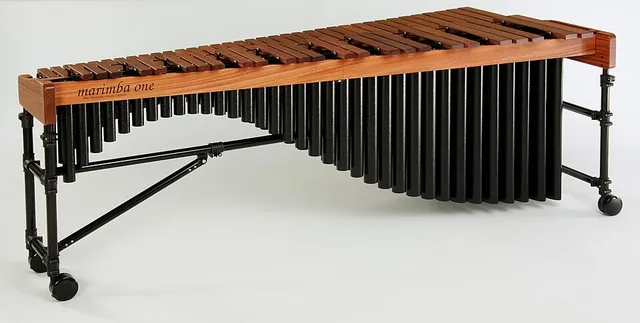
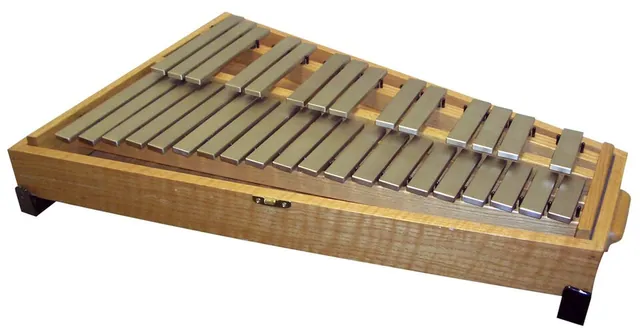
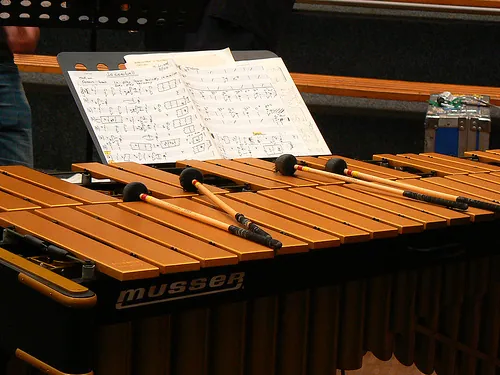
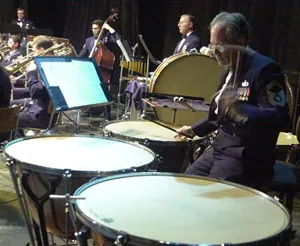
Pitched percussion
Bars, plates and drums tuned to definite pitches.