Woodwinds · Double reed · Bassoon family
Contrabassoon
Sounds an octave lower than written; the lowest regular orchestral woodwind.
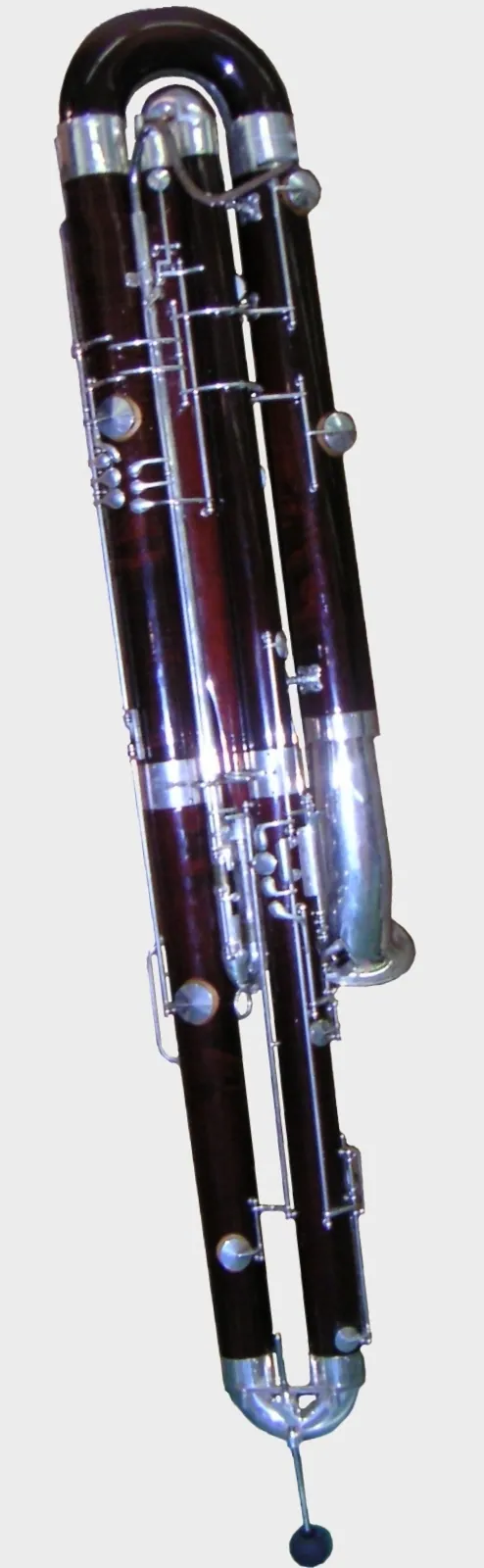
Quick facts
| Family | Woodwinds — Double reed |
|---|---|
| Hornbostel–Sachs | 422.112-71 |
| Pitched in | C |
| Transposition | Sounds a octave lower than written |
| Written range | B♭1 – B♭4 |
| Sounding range | B♭0 – B♭3 (29.14 – 233 Hz) |
| Clef | Bass |
| Other names | Kontrafagott, contrafagot, contrebasson |
Player's notes
- Sounds an octave lower than written; the lowest regular orchestral woodwind.
- Its tube, nearly 6 m long, is folded four times.
About the contrabassoon
The contrabassoon, also known as the double bassoon, is a larger version of the bassoon, sounding an octave lower. Its technique is similar to its smaller cousin, with a few notable differences.
Text adapted from the Wikipedia article “Contrabassoon”, licensed under CC BY-SA 4.0.
Notable repertoire
- Octet — Franz Schubert (1824)
- Piano Concerto No. 15 — Wolfgang Amadeus Mozart (1784)
- Turandot — Giacomo Puccini (1921)
- Piano Concerto No. 4 — Sergei Prokofiev
- Symphony No. 4 — Franz Schubert (1816)
- Meeresstille und glückliche Fahrt — Ludwig van Beethoven (1814)
- Youth — Leoš Janáček (1924)
- Serenade No. 9 — Wolfgang Amadeus Mozart
- Horn Concerto No. 3 — Wolfgang Amadeus Mozart (1787)
- The Sorcerer's Apprentice — Paul Dukas (1890)
- Sinfonia Concertante for Four Winds — Wolfgang Amadeus Mozart (1778)
- Bassoon Concerto — Wolfgang Amadeus Mozart
Frequently asked questions
What is the range of the contrabassoon?
The practical written range of the contrabassoon is B♭1 to B♭4, which sounds B♭0 to B♭3 (29.1 Hz to 233 Hz at A4 = 440 Hz).
Is the contrabassoon a transposing instrument?
Yes. The contrabassoon is pitched in C: sounds a octave lower than written. A written C sounds C.
What clef does the contrabassoon read?
The contrabassoon reads bass clef.
How is the contrabassoon classified?
In the Hornbostel–Sachs system the contrabassoon is classified as 422.112-71.
Historic examples in museums
Museum →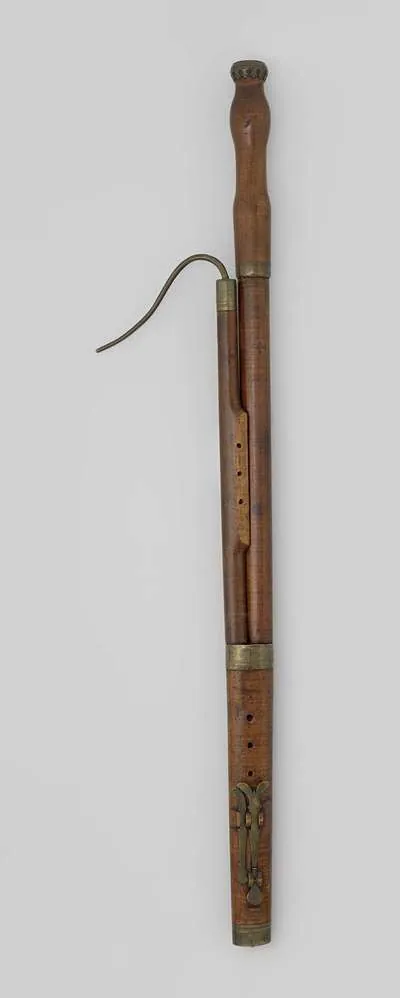
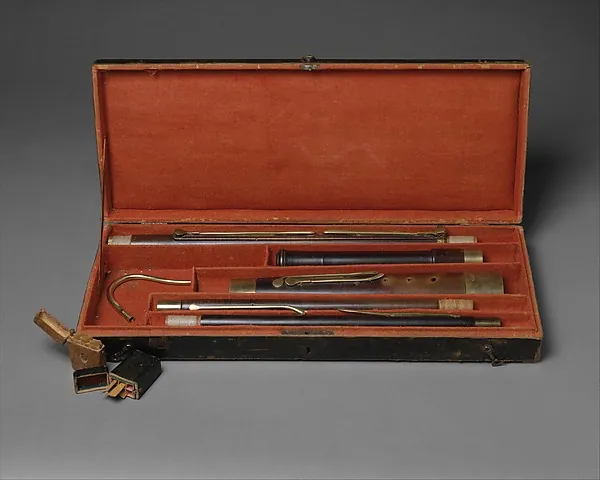

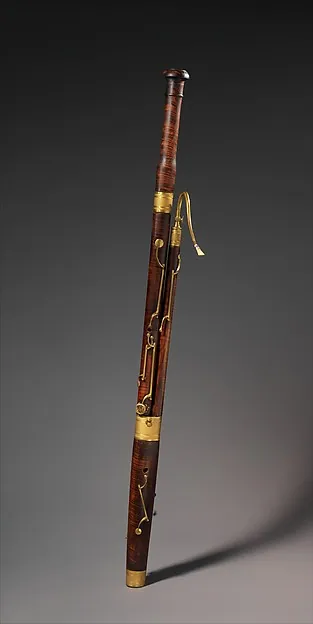
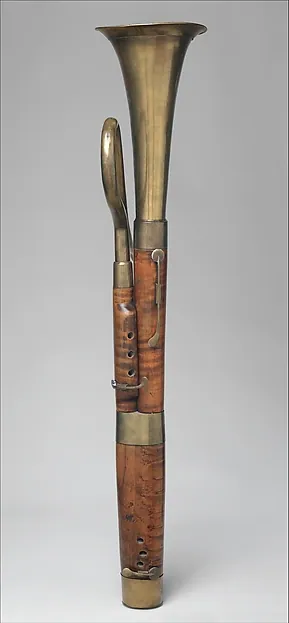
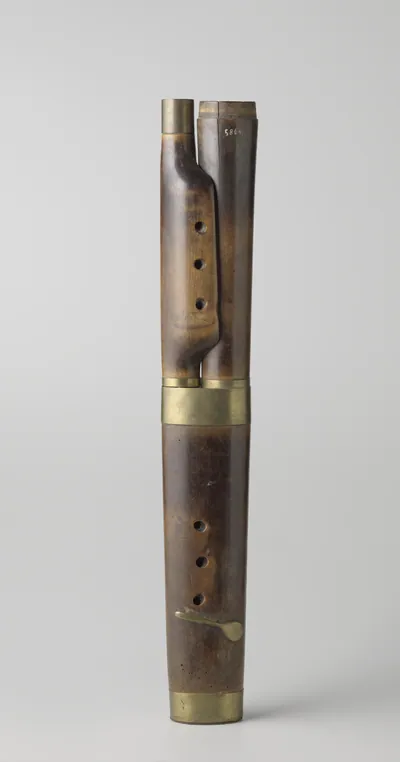
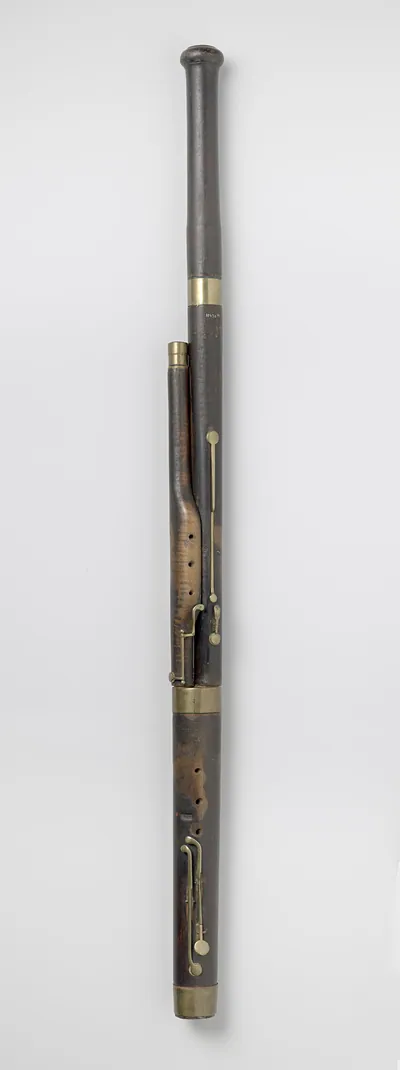
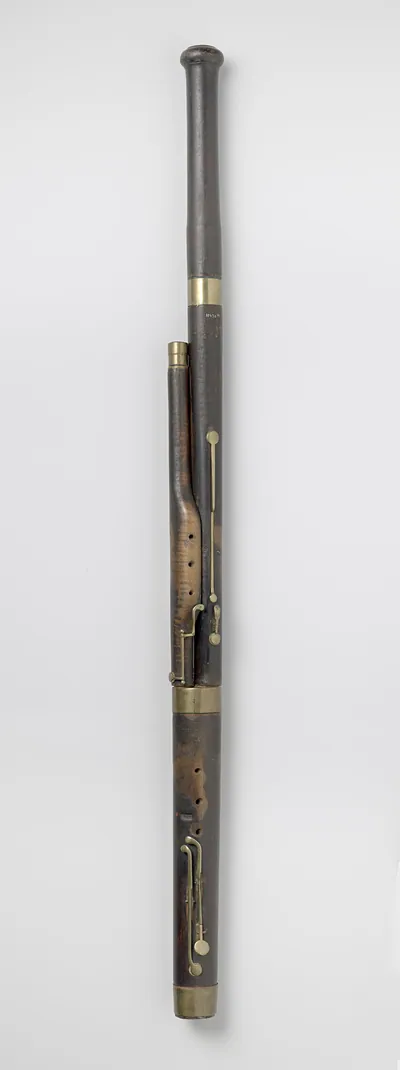
Related instruments
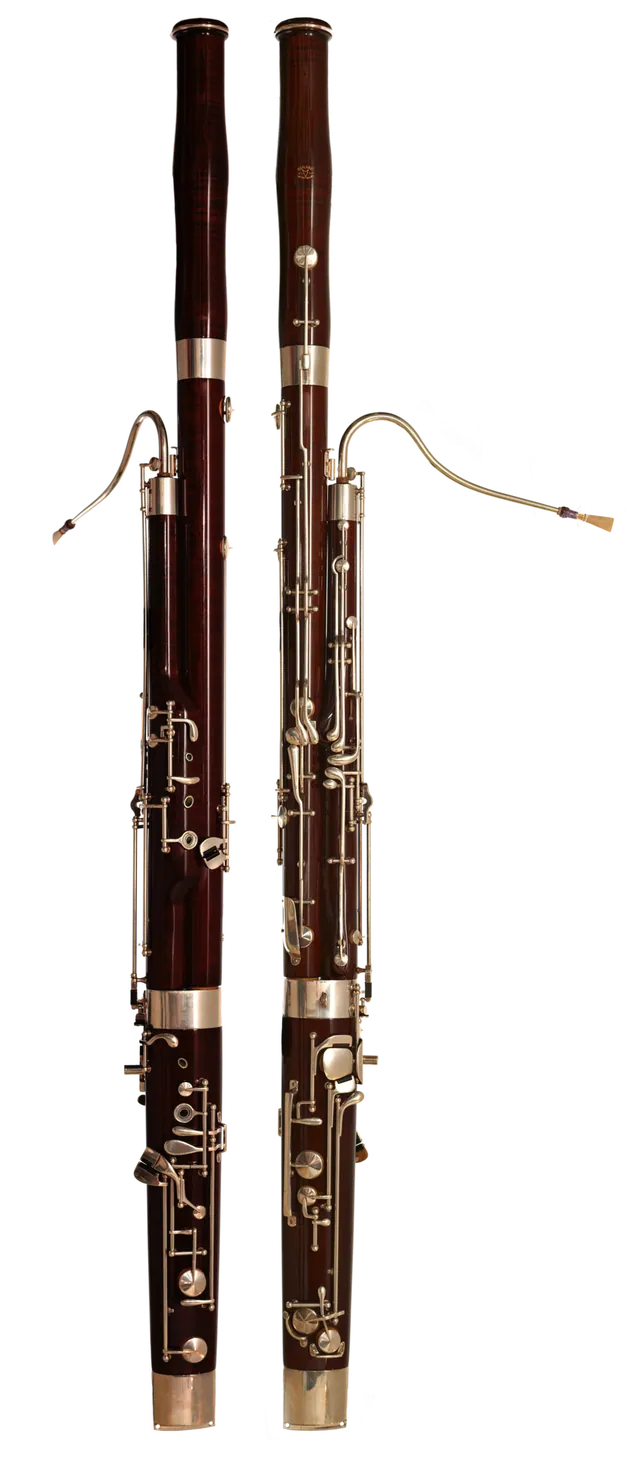
Bassoon
The bass of the woodwind section; reads bass and tenor clef.
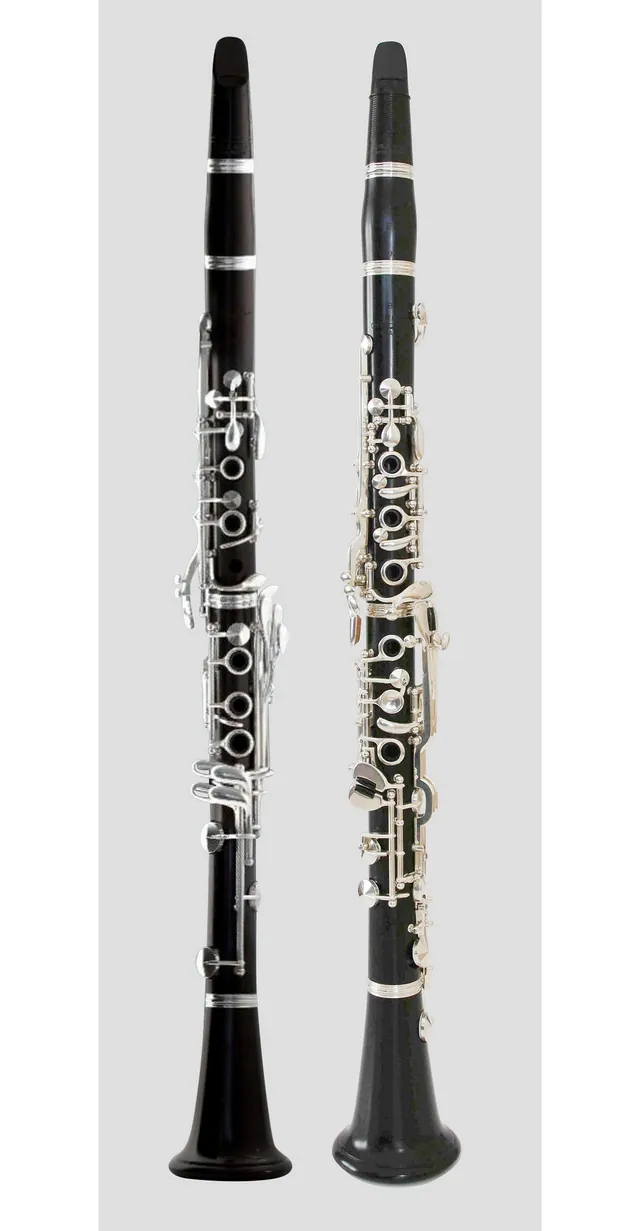
B♭ Clarinet
The most common clarinet: written C sounds B♭ a whole step lower.

A Clarinet
Slightly longer sibling of the B♭ clarinet; written C sounds A, a minor third lower.
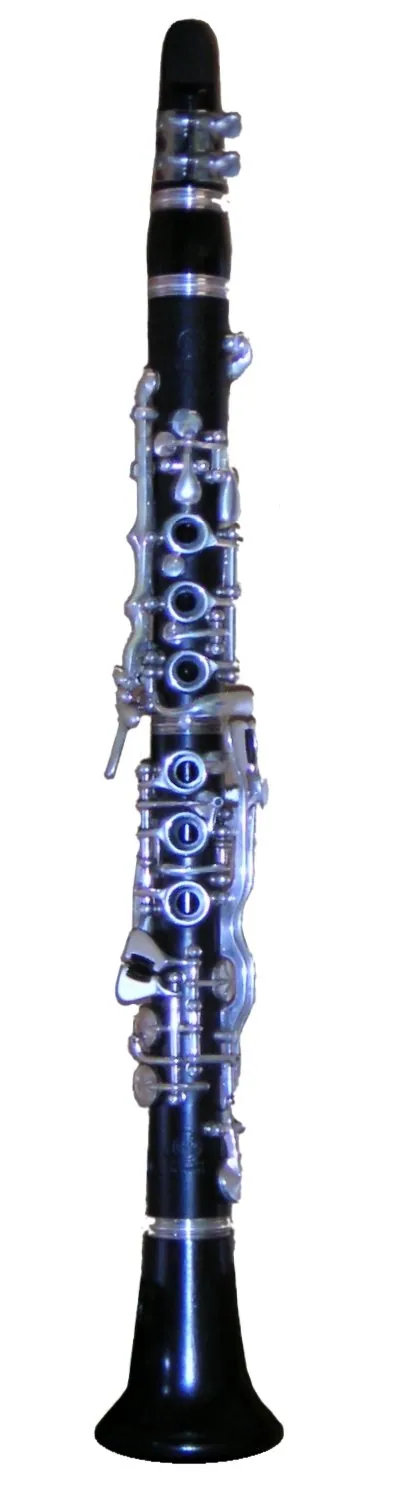
E♭ Clarinet
The small 'piccolo' of the clarinet family; written C sounds E♭ a minor third higher.
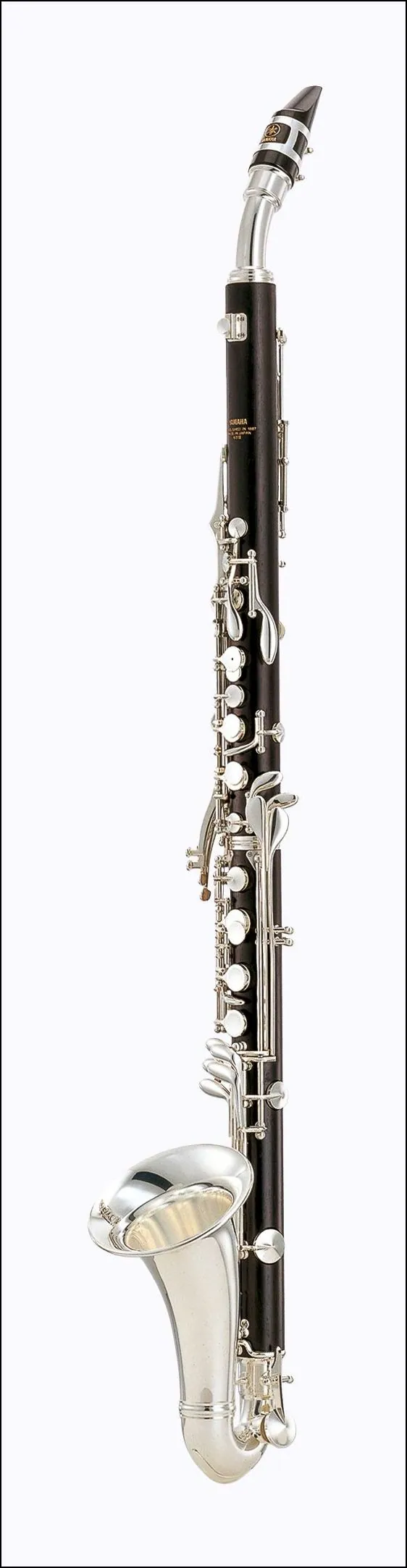
Alto Clarinet
Pitched in E♭ a fifth below the B♭ soprano; written C sounds E♭ a major sixth lower.
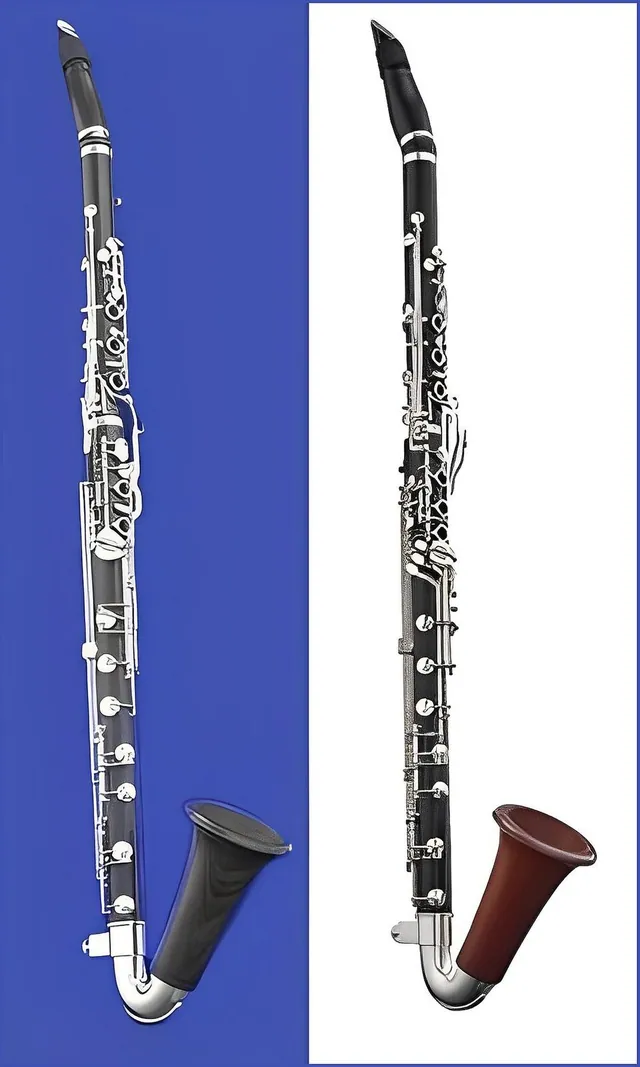
Basset Horn
An F alto clarinet with extension down to written C — beloved by Mozart (Requiem, Gran…