Woodwinds · Single reed · Clarinet family
A Clarinet
Slightly longer sibling of the B♭ clarinet; written C sounds A, a minor third lower.

Quick facts
| Family | Woodwinds — Single reed |
|---|---|
| Pitched in | A |
| Transposition | Sounds a minor third lower than written |
| Written range | E3 – C7 |
| Sounding range | C♯3 – A6 (138.59 – 1760 Hz) |
| Clef | Treble |
| Other names | Sopranklarinette, clarinete soprano, clarinette soprano |
Player's notes
- Slightly longer sibling of the B♭ clarinet; written C sounds A, a minor third lower.
- Orchestral players carry both B♭ and A clarinets and switch to suit sharp keys.
- Mozart's Clarinet Concerto and Quintet — written for a basset clarinet in A — are played on it today.
- Uses the same mouthpiece and fingerings as the B♭ instrument.
About the a clarinet
A soprano clarinet is a clarinet that is higher in register than the basset horn or alto clarinet. The unmodified word clarinet usually refers to the B♭ clarinet, which is by far the most common type. The term soprano also applies to the clarinets in A and C, and even the low G clarinet—rare in Western music but popular in the folk music of Turkey—which sounds a whole tone lower than the A. Some writers reserve a separate category of sopranino clarinets for the E♭ and D clarinets, while some regarded them as soprano clarinets. All have a written range from the E below middle C to about the C three octaves above middle C, with the sounding pitches determined by the particular instrument's transposition.
Orchestral composers largely write for soprano clarinets in B♭ and A. Clarinets in C were used likewise from the Classical era until about 1910. Wolfgang Amadeus Mozart also called for clarinets in B♮ when writing in keys with many sharps (e.g. the E major arias in Idomeneo and Così fan tutte), but this became obsolete far sooner. There have also been soprano clarinets in C, A, and B♭ with curved barrels and bells marketed under the names Saxonette, Claribel, and Clariphon.
Shackleton lists also obsolete "sopranino" clarinets in (high) G, F, and E, and soprano clarinets in B♮ and A♭.
Text adapted from the Wikipedia article “Soprano clarinet”, licensed under CC BY-SA 4.0.
Notable repertoire
- Octet — Franz Schubert (1824)
- Turandot — Giacomo Puccini (1921)
- Piano Concerto No. 4 — Sergei Prokofiev
- Meeresstille und glückliche Fahrt — Ludwig van Beethoven (1814)
- Kegelstatt Trio — Wolfgang Amadeus Mozart (1786)
- Contrasts — Béla Bartók
- Youth — Leoš Janáček (1924)
- The Carnival of the Animals — Camille Saint-Saëns (1886)
- Clarinet Concerto in A major, K. 622 — Wolfgang Amadeus Mozart (1791)
- Horn Concerto No. 3 — Wolfgang Amadeus Mozart (1787)
- The Sorcerer's Apprentice — Paul Dukas (1890)
- Sinfonia Concertante for Four Winds — Wolfgang Amadeus Mozart (1778)
Frequently asked questions
What is the range of the a clarinet?
The practical written range of the a clarinet is E3 to C7, which sounds C♯3 to A6 (138.6 Hz to 1760 Hz at A4 = 440 Hz).
Is the a clarinet a transposing instrument?
Yes. The a clarinet is pitched in A: sounds a minor third lower than written. A written C sounds A.
What clef does the a clarinet read?
The a clarinet reads treble clef.
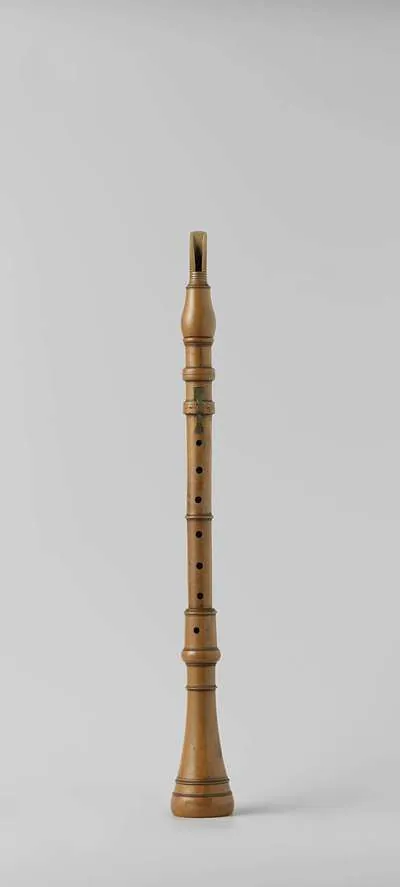
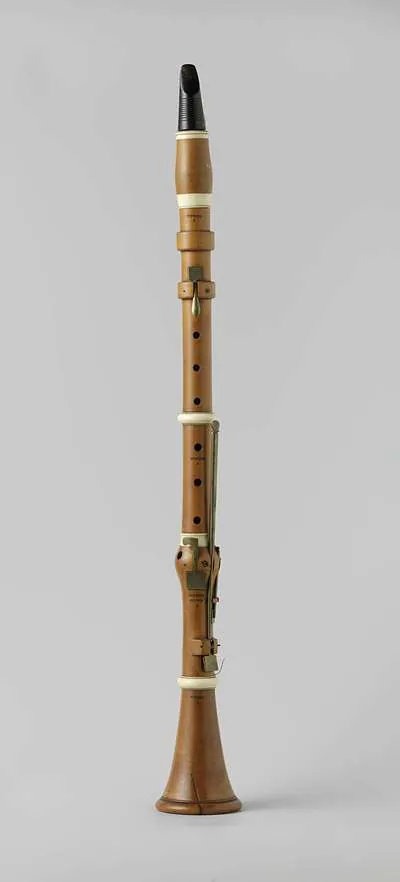
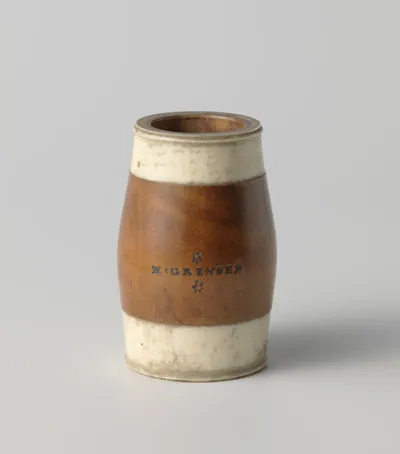
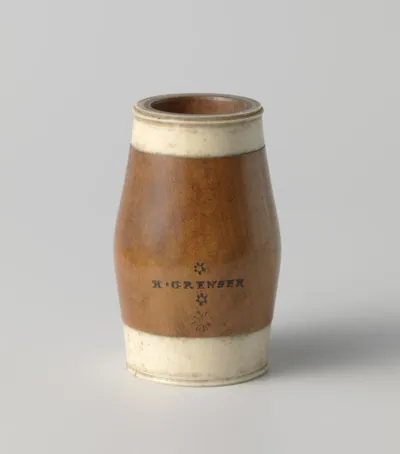
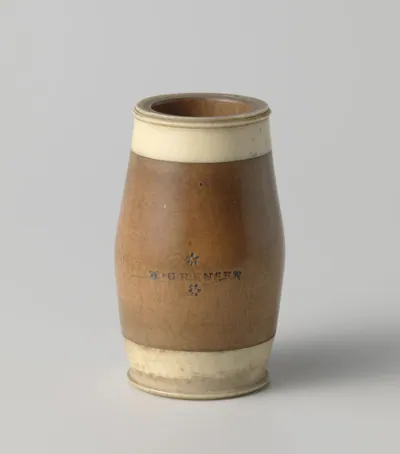
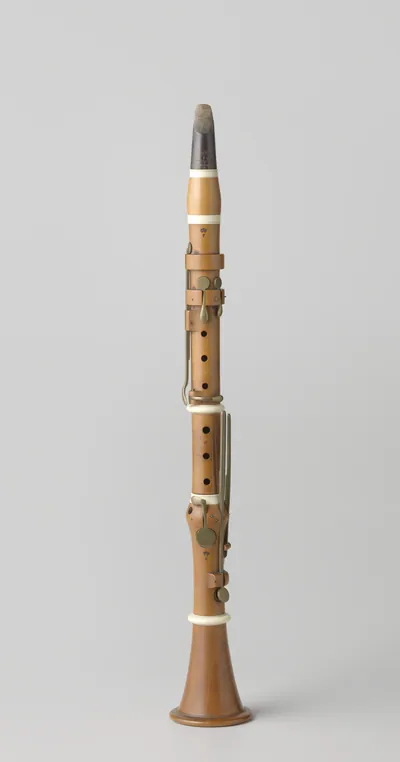
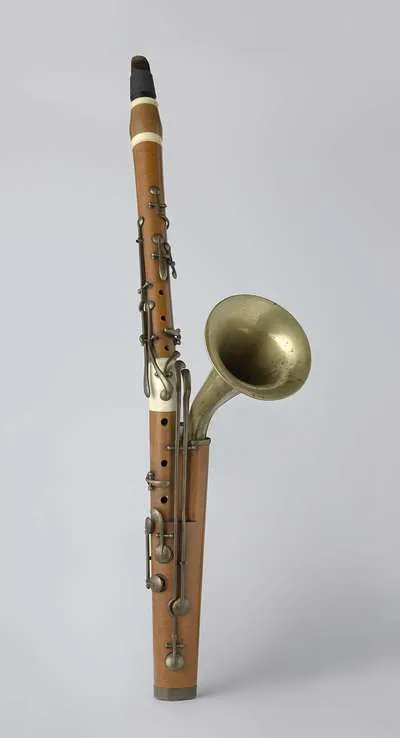
Historic examples in museums
Museum →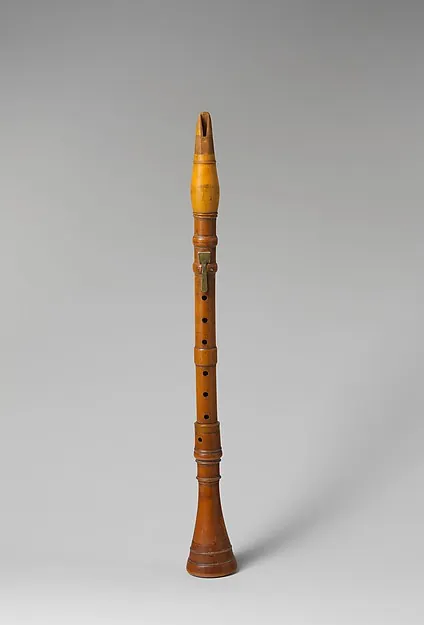
Related instruments
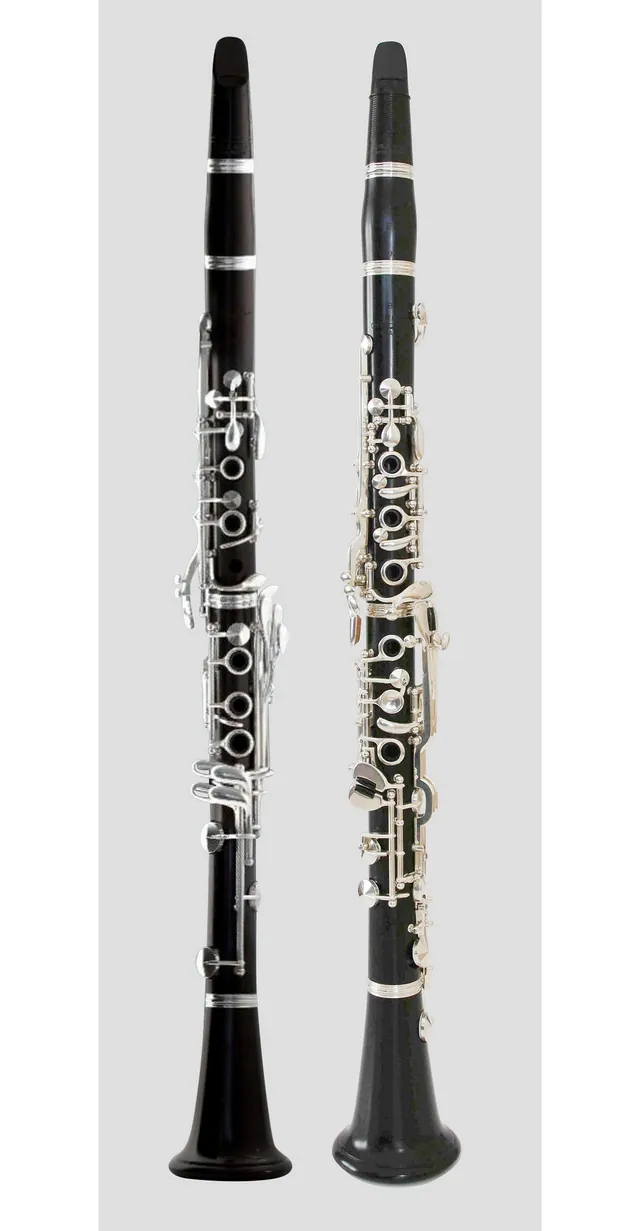
B♭ Clarinet
The most common clarinet: written C sounds B♭ a whole step lower.
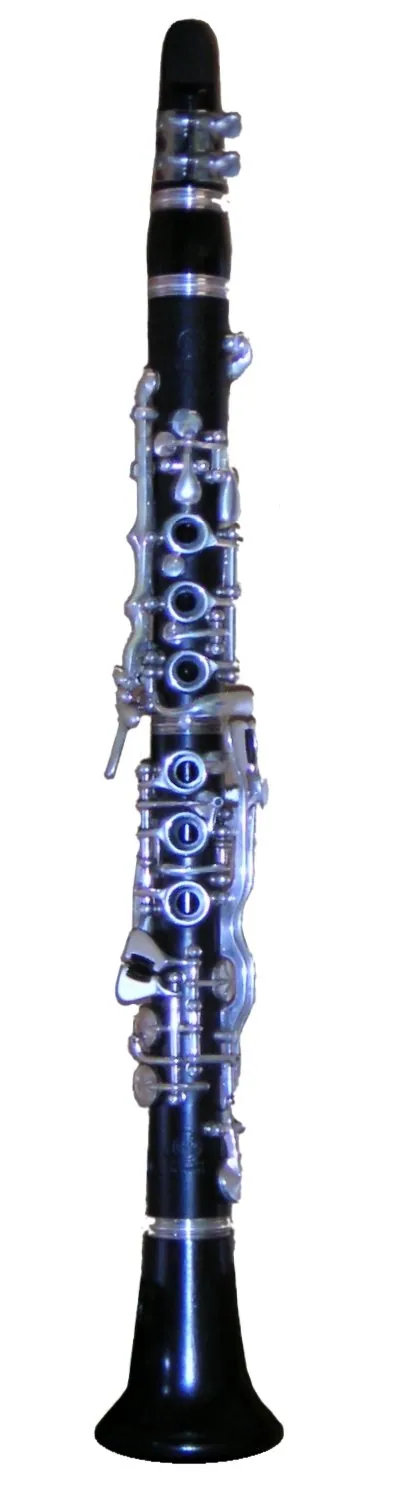
E♭ Clarinet
The small 'piccolo' of the clarinet family; written C sounds E♭ a minor third higher.
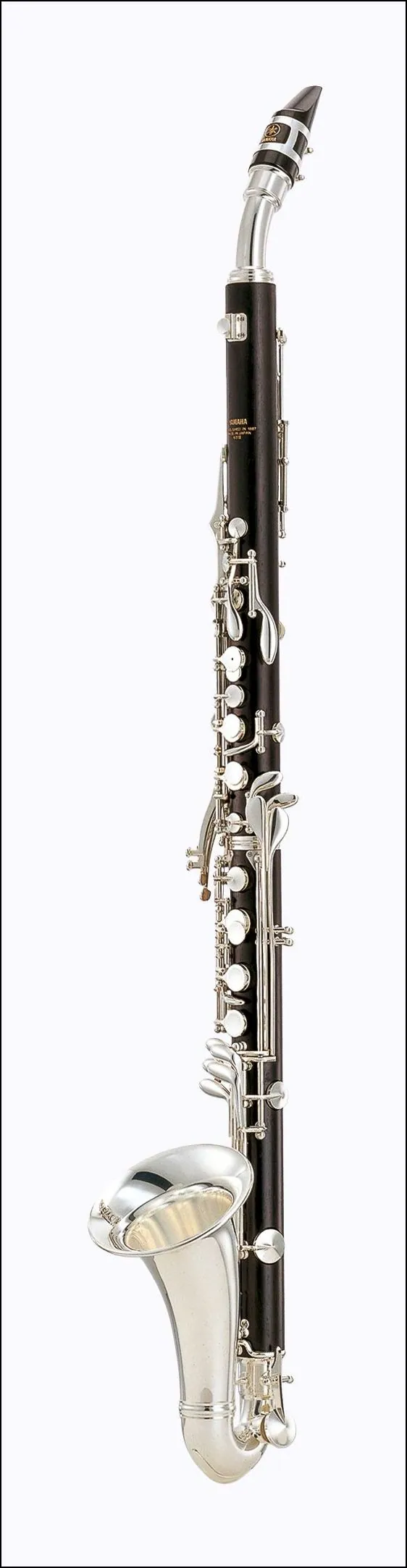
Alto Clarinet
Pitched in E♭ a fifth below the B♭ soprano; written C sounds E♭ a major sixth lower.
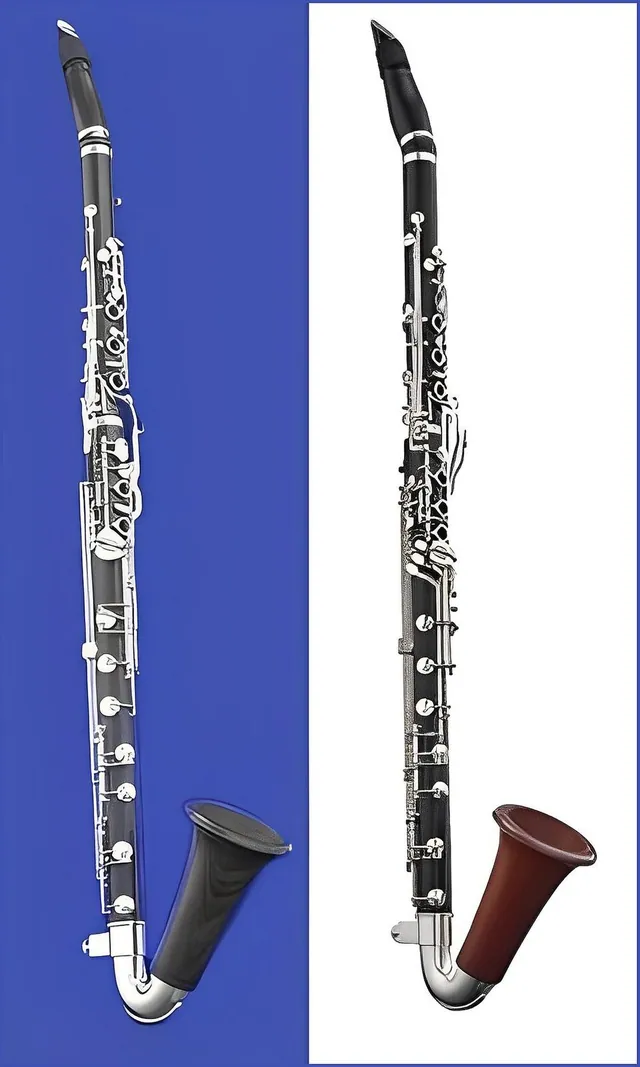
Basset Horn
An F alto clarinet with extension down to written C — beloved by Mozart (Requiem, Gran…
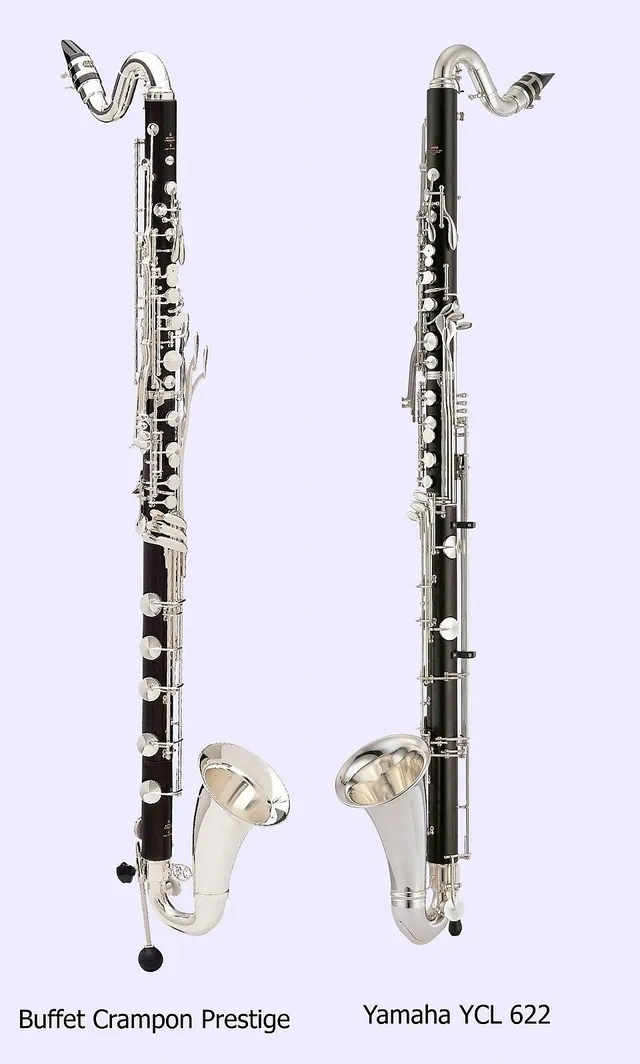
Bass Clarinet
Sounds an octave below the B♭ clarinet; in French (treble-clef) notation written C…
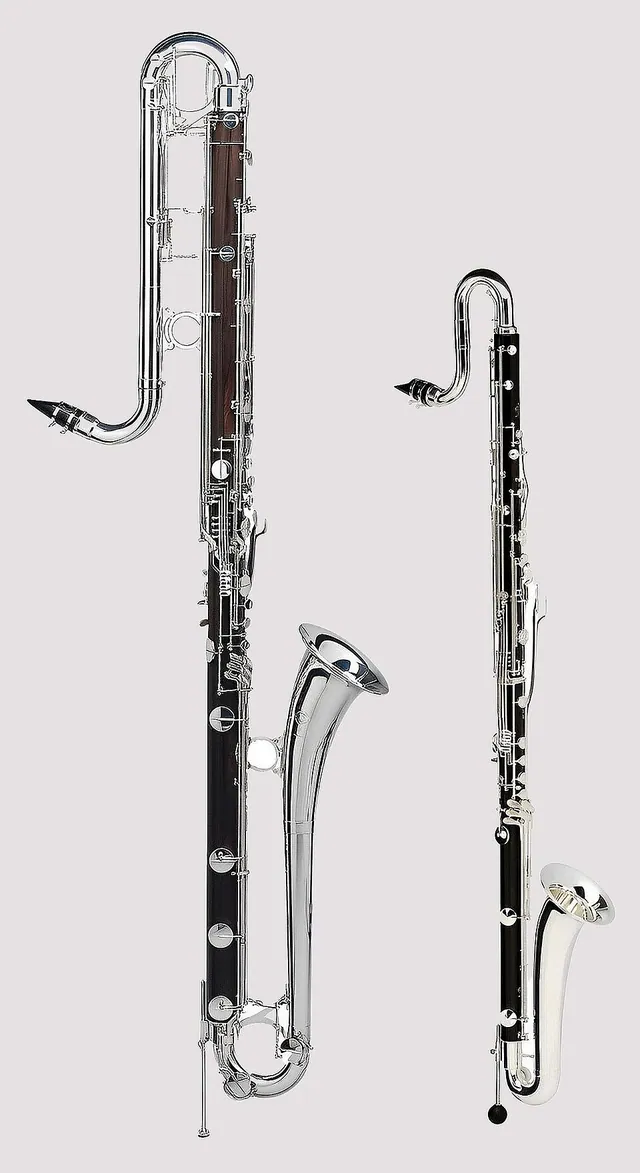
Contrabass Clarinet
Sounds two octaves and a whole step below written pitch.