Woodwinds · Single reed · Clarinet family
Alto Clarinet
Pitched in E♭ a fifth below the B♭ soprano; written C sounds E♭ a major sixth lower.
Quick facts
| Family | Woodwinds — Single reed |
|---|---|
| Hornbostel–Sachs | 422.211.2 |
| Pitched in | E♭ |
| Transposition | Sounds a major sixth lower than written |
| Written range | E♭3 – G6 |
| Sounding range | G♭2 – B♭5 (92.50 – 932 Hz) |
| Clef | Treble |
| Inventor | Iwan Müller |
| Other names | Altklarinette, clarinete alto, clarinette alto |
Player's notes
- Pitched in E♭ a fifth below the B♭ soprano; written C sounds E♭ a major sixth lower.
- Mostly found in concert bands; largely absent from the orchestra.
- Most modern instruments have a low E♭ key.
About the alto clarinet
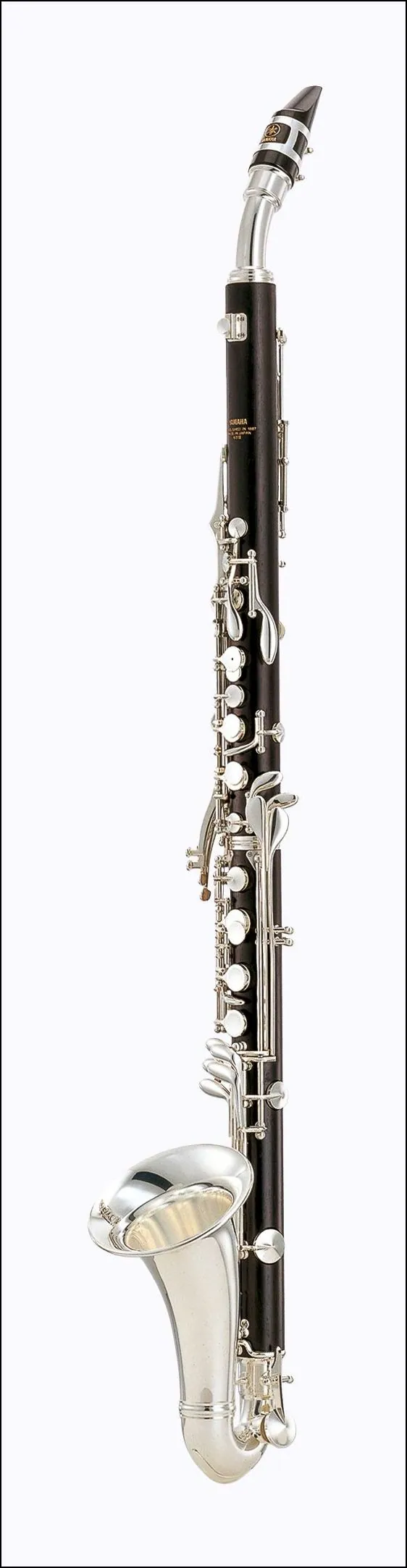
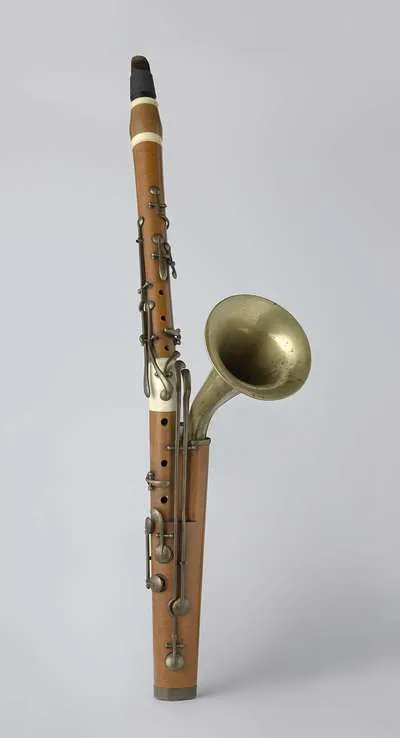
The alto clarinet is a woodwind instrument of the clarinet family. It is a transposing instrument pitched in the key of E♭, though instruments in F have been made. In size it lies between the soprano clarinet and the bass clarinet. It bears a greater resemblance to the bass clarinet in that it typically has a straight body (made of grenadilla or other wood, hard rubber, or plastic), but a curved neck and bell made of metal. All-metal alto clarinets also exist. In appearance it strongly resembles the basset horn, but usually differs in three respects: it is pitched a whole step lower, it lacks an extended lower range, and it has a wider bore than many basset horns.
The sounding range of the alto clarinet is from the concert G2 or G♭2 (in the second octave below middle C, bottom line of the bass clef) to B♭5 (in the second octave above middle C), with the exact upper end of the range depending on the skill of the player. Despite the broad range, the instrument is always scored in the treble clef. The alto clarinet sounds a major sixth lower than written. (In F, it sounds a perfect fifth lower than written).
Most modern alto clarinets, like other instruments in the clarinet family, have the Boehm system or Oehler system of keys and fingering, which means that this clarinet has virtually identical fingering to the others. The alto clarinet, however, often has an extra key allowing it to play a low (written) E♭, and a half-hole key controlled by the left-hand index finger with a vent that may be uncovered to assist in playing the altissimo register.
Text adapted from the Wikipedia article “Alto clarinet”, licensed under CC BY-SA 4.0.
Notable repertoire
- Octet — Franz Schubert (1824)
- Turandot — Giacomo Puccini (1921)
- Piano Concerto No. 4 — Sergei Prokofiev
- Meeresstille und glückliche Fahrt — Ludwig van Beethoven (1814)
- Kegelstatt Trio — Wolfgang Amadeus Mozart (1786)
- Contrasts — Béla Bartók
- Youth — Leoš Janáček (1924)
- The Carnival of the Animals — Camille Saint-Saëns (1886)
- Clarinet Concerto in A major, K. 622 — Wolfgang Amadeus Mozart (1791)
- Horn Concerto No. 3 — Wolfgang Amadeus Mozart (1787)
- The Sorcerer's Apprentice — Paul Dukas (1890)
- Sinfonia Concertante for Four Winds — Wolfgang Amadeus Mozart (1778)
Frequently asked questions
What is the range of the alto clarinet?
The practical written range of the alto clarinet is E♭3 to G6, which sounds G♭2 to B♭5 (92.5 Hz to 932 Hz at A4 = 440 Hz).
Is the alto clarinet a transposing instrument?
Yes. The alto clarinet is pitched in E♭: sounds a major sixth lower than written. A written C sounds E♭.
What clef does the alto clarinet read?
The alto clarinet reads treble clef.
How is the alto clarinet classified?
In the Hornbostel–Sachs system the alto clarinet is classified as 422.211.2.
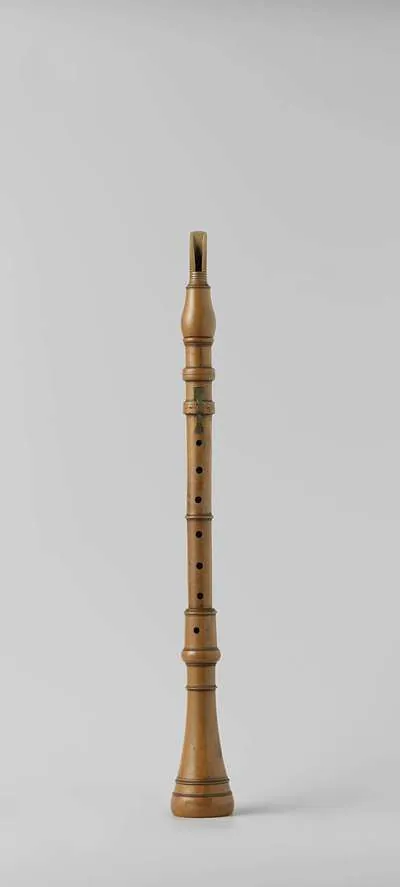
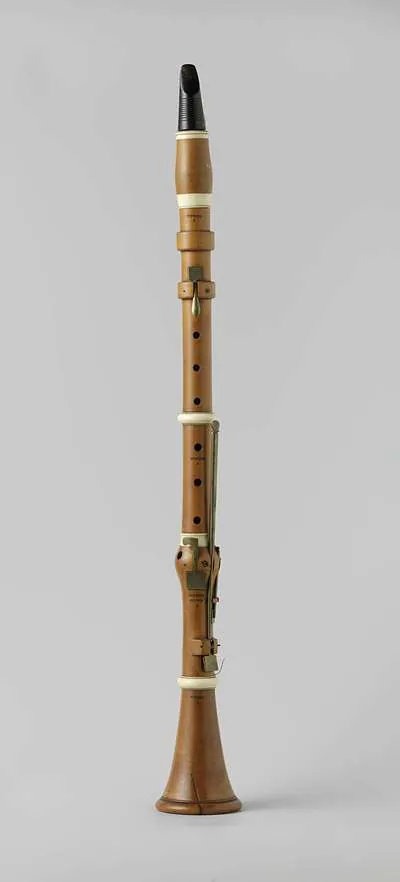
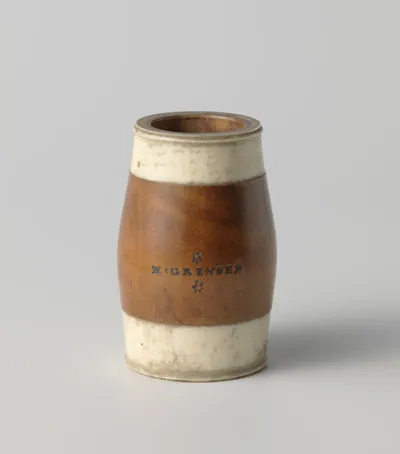
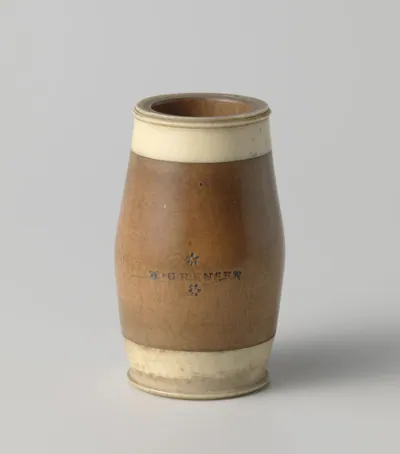
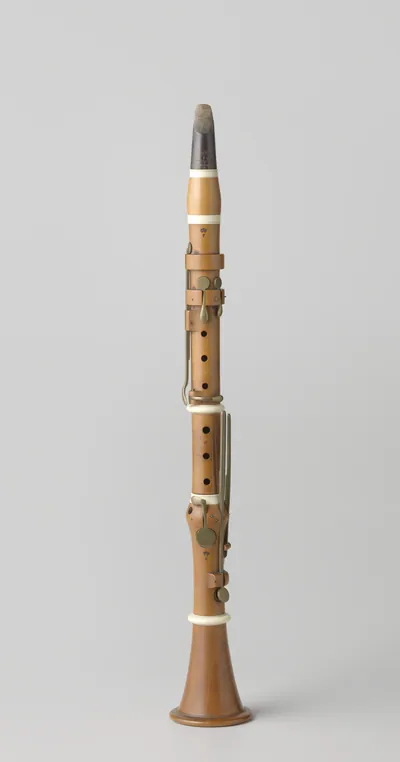
Historic examples in museums
Museum →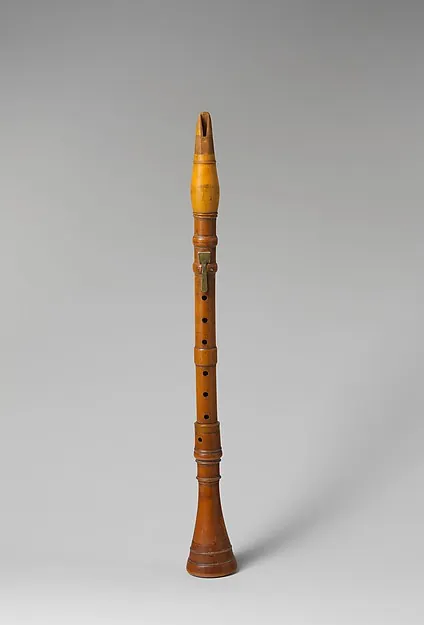

Related instruments
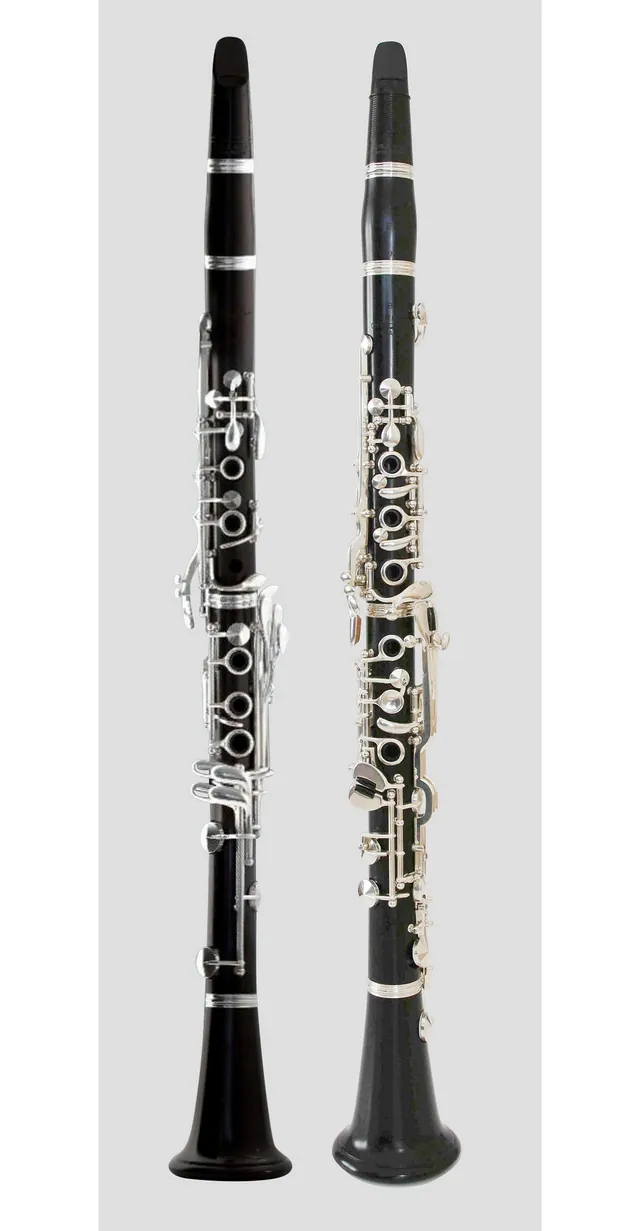
B♭ Clarinet
The most common clarinet: written C sounds B♭ a whole step lower.

A Clarinet
Slightly longer sibling of the B♭ clarinet; written C sounds A, a minor third lower.
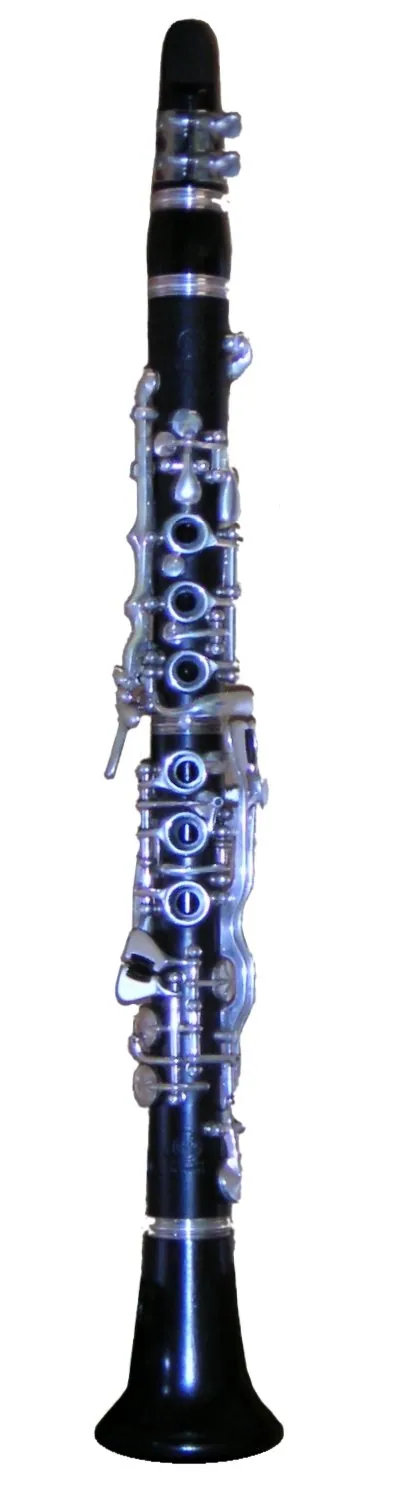
E♭ Clarinet
The small 'piccolo' of the clarinet family; written C sounds E♭ a minor third higher.
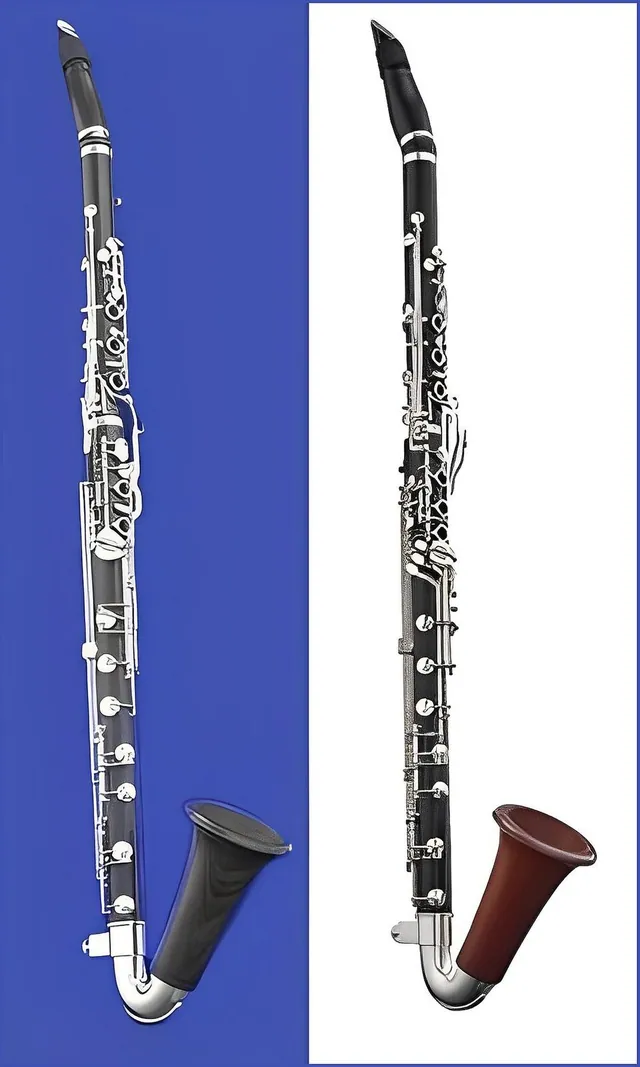
Basset Horn
An F alto clarinet with extension down to written C — beloved by Mozart (Requiem, Gran…
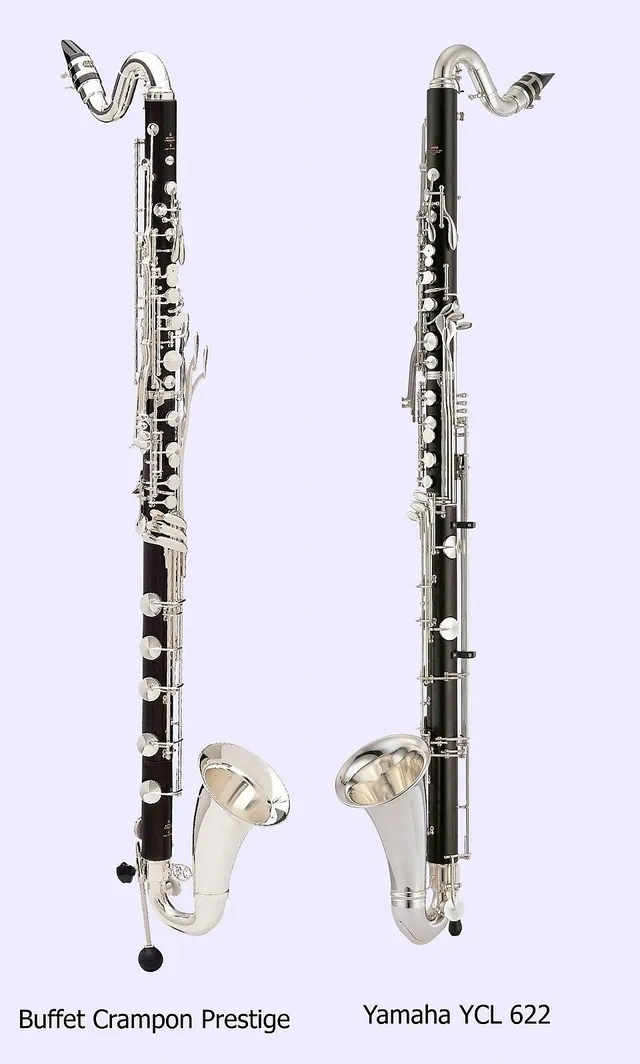
Bass Clarinet
Sounds an octave below the B♭ clarinet; in French (treble-clef) notation written C…
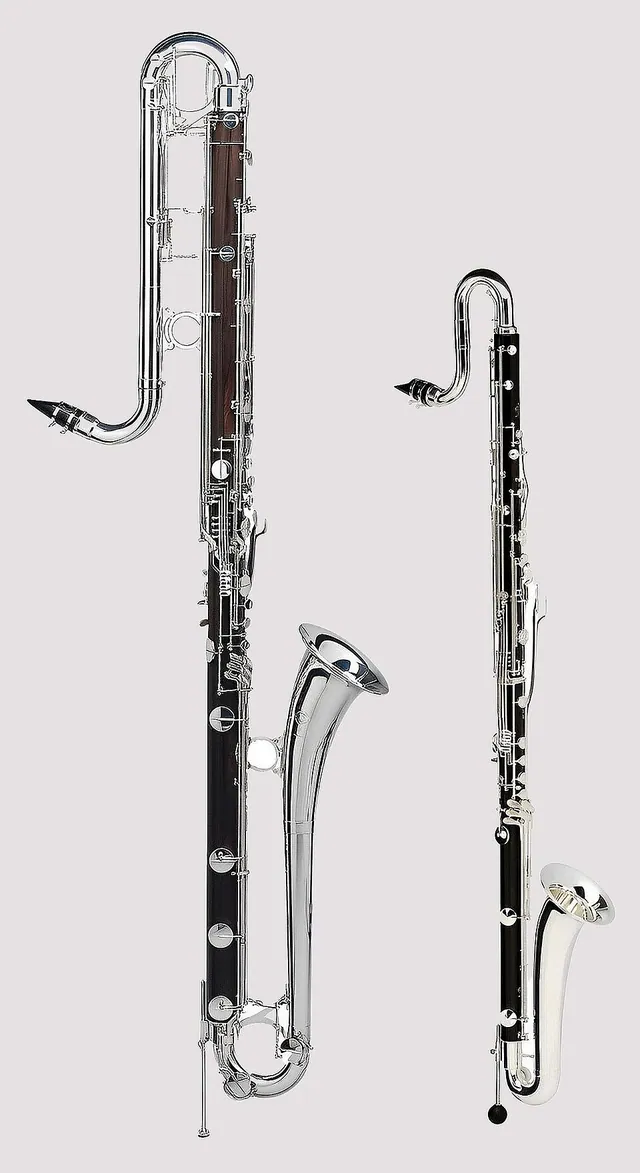
Contrabass Clarinet
Sounds two octaves and a whole step below written pitch.