Woodwinds · Single reed · Clarinet family
B♭ Clarinet
The most common clarinet: written C sounds B♭ a whole step lower.
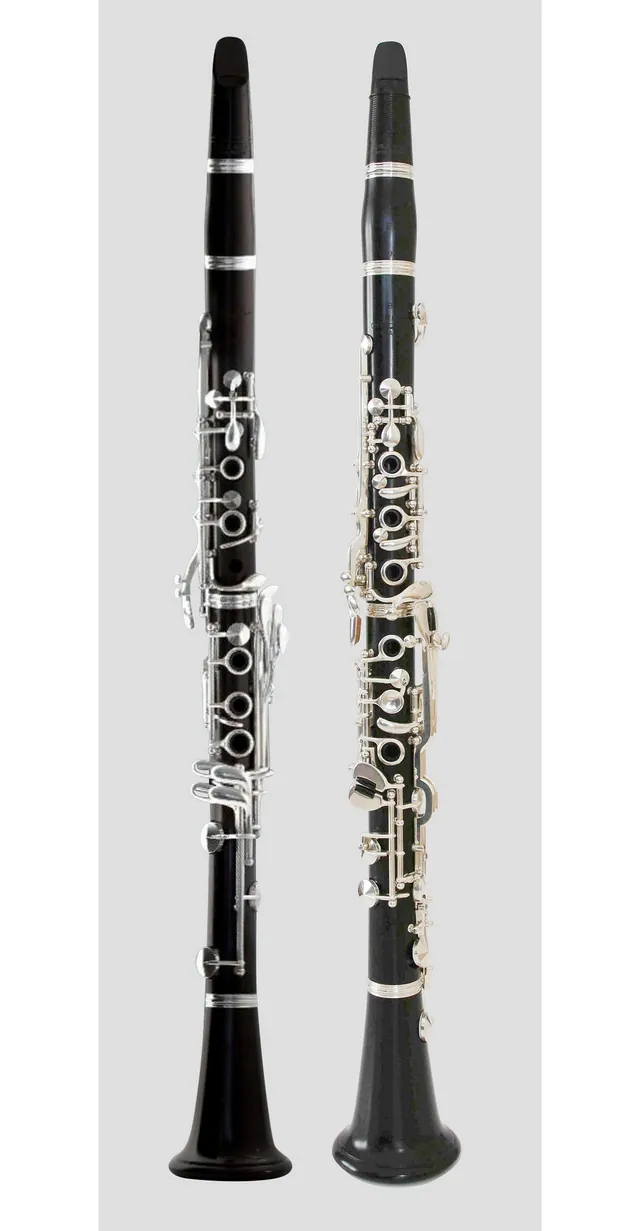
Quick facts
| Family | Woodwinds — Single reed |
|---|---|
| Hornbostel–Sachs | 422.211.2-71 |
| Pitched in | B♭ |
| Transposition | Sounds a major second lower than written |
| Written range | E3 – C7 |
| Sounding range | D3 – B♭6 (146.83 – 1865 Hz) |
| Clef | Treble |
| Inventor | Johann Christoph Denner |
| Other names | Clarinetto, Klarinette, clarinete, clarinette |
Player's notes
- The most common clarinet: written C sounds B♭ a whole step lower.
- Overblows at the twelfth (octave + fifth), not the octave — the reason its fingerings repeat a twelfth apart.
- Four registers: chalumeau (E3–F#4), throat (G4–B♭4), clarion (B4–C6) and altissimo (C#6 up).
- A cylindrical bore closed at the reed end gives the characteristic odd-harmonic, hollow low register.
About the B♭ Clarinet
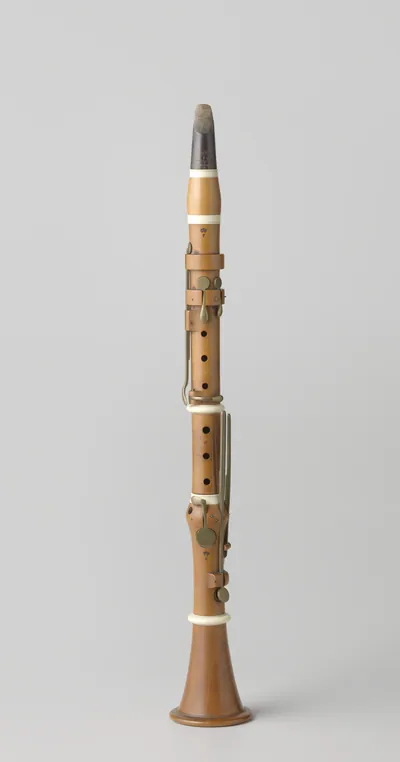
The clarinet is a single-reed musical instrument in the woodwind family, with a nearly cylindrical bore and a flared bell.
Clarinets comprise a family of instruments of differing sizes and pitches. The clarinet family is the largest woodwind family, ranging from the BB♭ contrabass to the A♭ piccolo. The B♭ soprano clarinet is the most common type, and is the instrument usually indicated by the word "clarinet".
German instrument maker Johann Christoph Denner is generally credited with inventing the clarinet sometime around 1700 by adding a register key to the chalumeau, an earlier single-reed instrument. Over time, additional keywork and airtight pads were added to improve the tone and playability. Today the clarinet is a standard fixture of the orchestra and concert band and is used in classical music, military bands, klezmer, jazz, and other styles.
Text adapted from the Wikipedia article “Clarinet”, licensed under CC BY-SA 4.0.
Listen
Recordings from Wikimedia Commons, found via Openverse.
Notable repertoire
- Octet — Franz Schubert (1824)
- Turandot — Giacomo Puccini (1921)
- Piano Concerto No. 4 — Sergei Prokofiev
- Meeresstille und glückliche Fahrt — Ludwig van Beethoven (1814)
- Kegelstatt Trio — Wolfgang Amadeus Mozart (1786)
- Contrasts — Béla Bartók
- Youth — Leoš Janáček (1924)
- The Carnival of the Animals — Camille Saint-Saëns (1886)
- Clarinet Concerto in A major, K. 622 — Wolfgang Amadeus Mozart (1791)
- Horn Concerto No. 3 — Wolfgang Amadeus Mozart (1787)
- The Sorcerer's Apprentice — Paul Dukas (1890)
- Sinfonia Concertante for Four Winds — Wolfgang Amadeus Mozart (1778)
Frequently asked questions
What is the range of the B♭ Clarinet?
The practical written range of the B♭ Clarinet is E3 to C7, which sounds D3 to B♭6 (146.8 Hz to 1865 Hz at A4 = 440 Hz).
Is the B♭ Clarinet a transposing instrument?
Yes. The B♭ Clarinet is pitched in B♭: sounds a major second lower than written. A written C sounds B♭.
What clef does the B♭ Clarinet read?
The B♭ Clarinet reads treble clef.
How is the B♭ Clarinet classified?
In the Hornbostel–Sachs system the B♭ Clarinet is classified as 422.211.2-71.
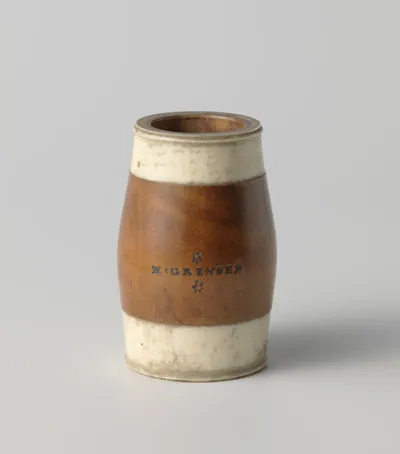
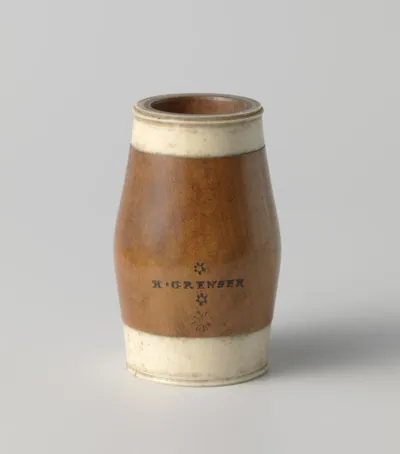
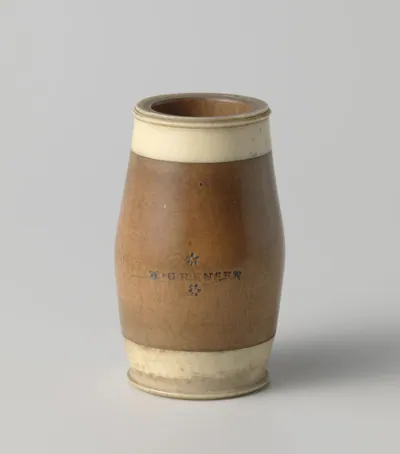
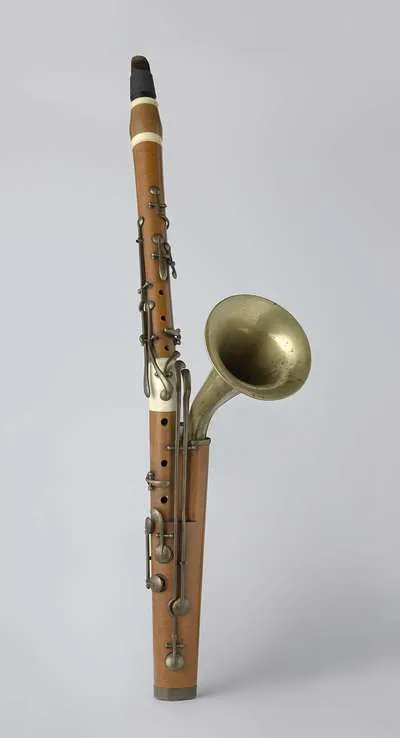
Historic examples in museums
Museum →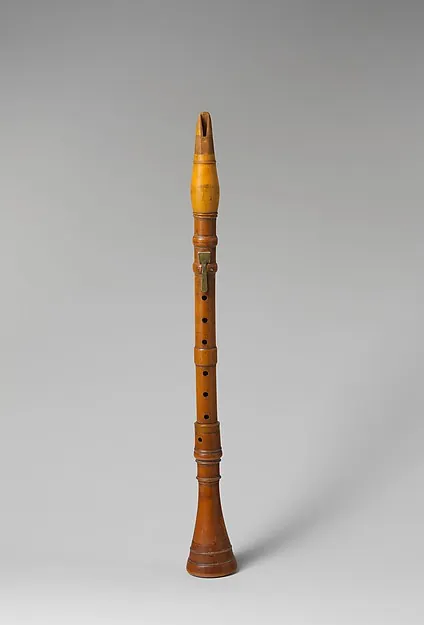
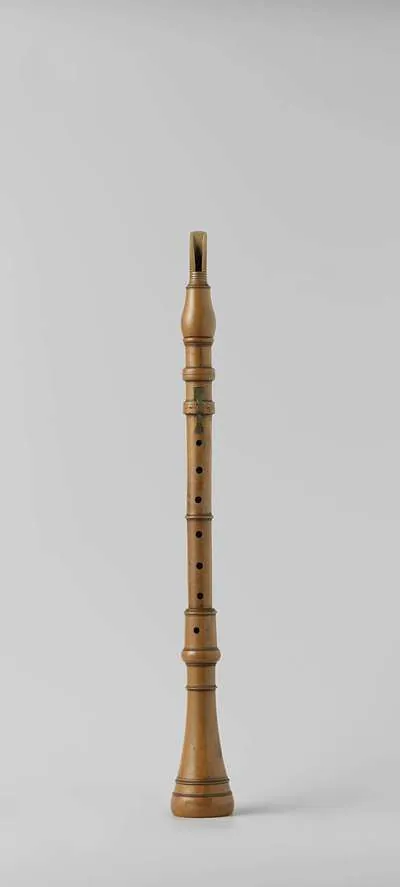
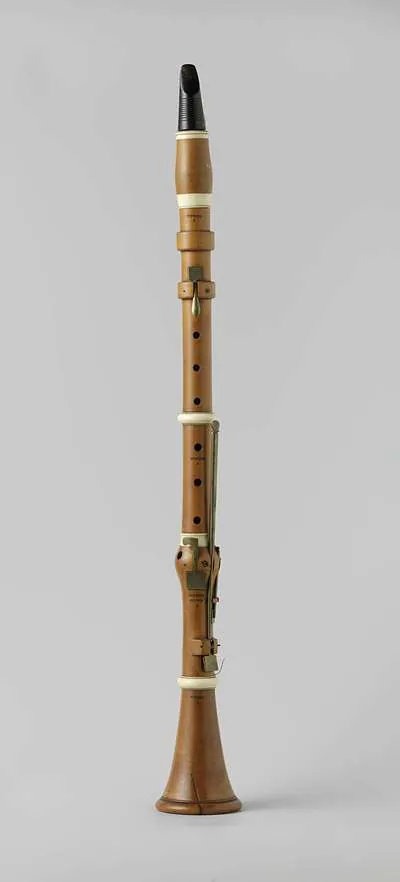
Related instruments

A Clarinet
Slightly longer sibling of the B♭ clarinet; written C sounds A, a minor third lower.
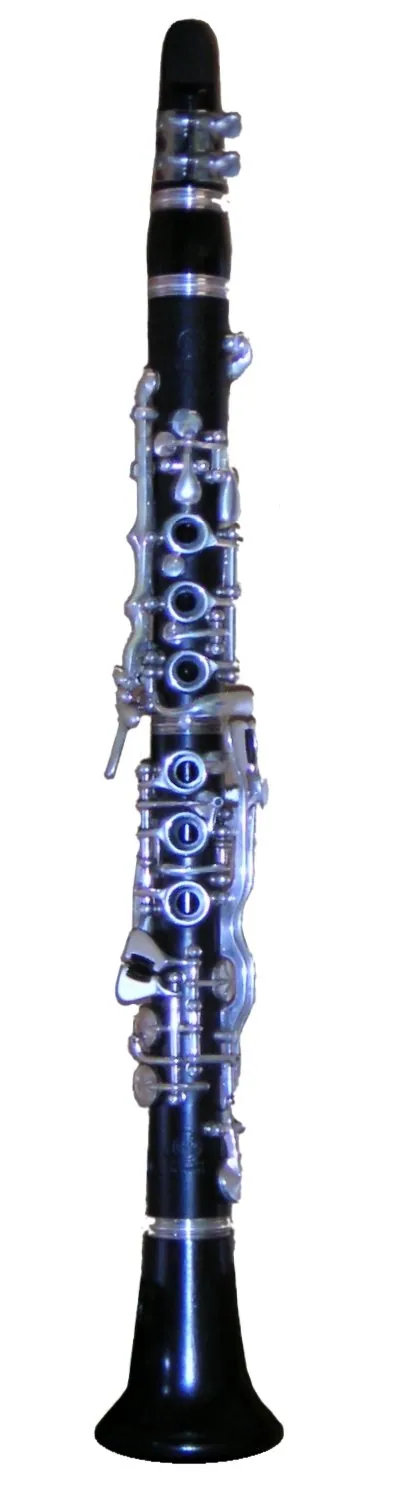
E♭ Clarinet
The small 'piccolo' of the clarinet family; written C sounds E♭ a minor third higher.
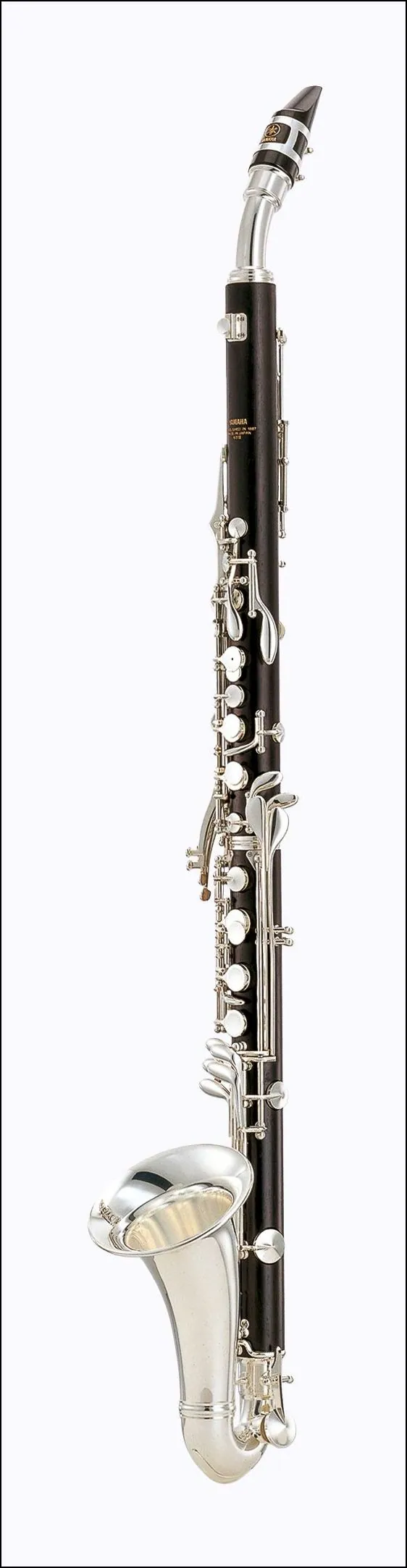
Alto Clarinet
Pitched in E♭ a fifth below the B♭ soprano; written C sounds E♭ a major sixth lower.
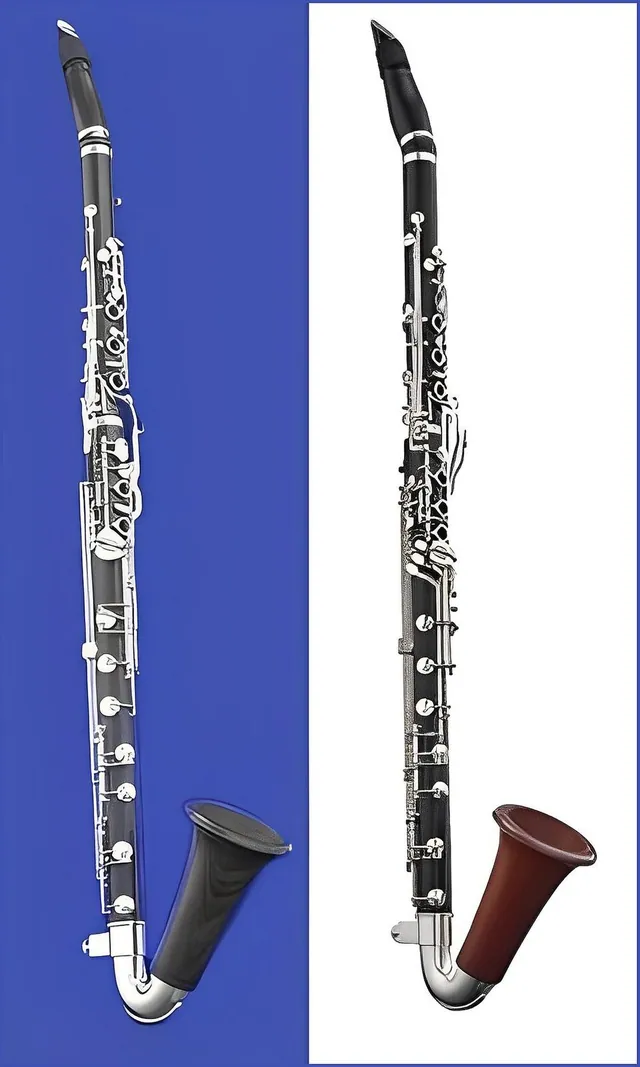
Basset Horn
An F alto clarinet with extension down to written C — beloved by Mozart (Requiem, Gran…
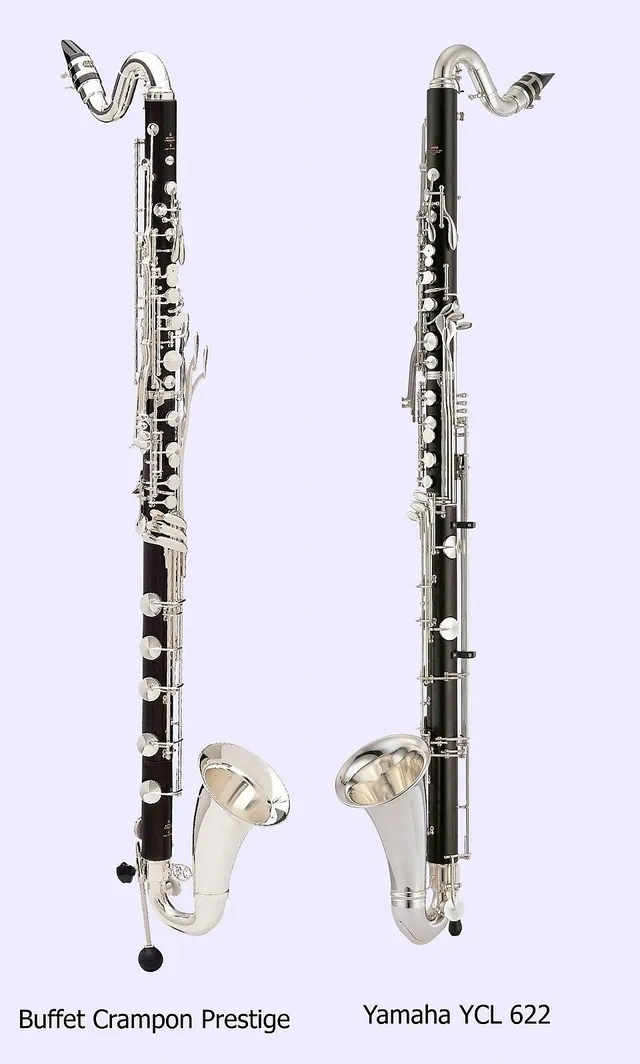
Bass Clarinet
Sounds an octave below the B♭ clarinet; in French (treble-clef) notation written C…
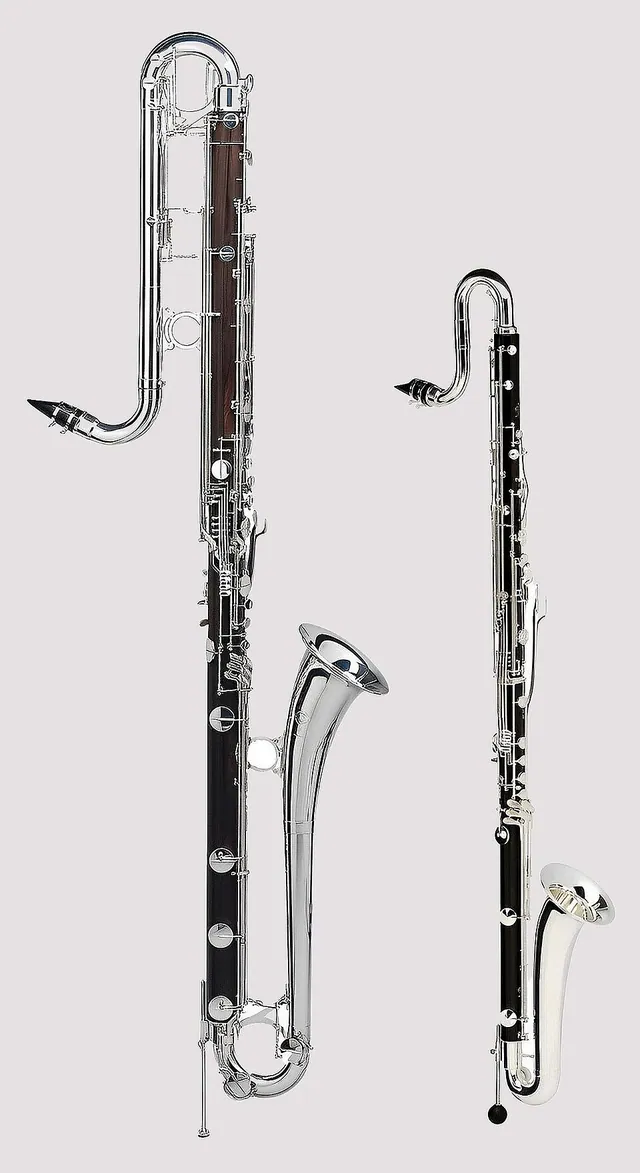
Contrabass Clarinet
Sounds two octaves and a whole step below written pitch.