Woodwinds · Duct flute · Recorder family
Soprano Recorder
Also called the descant; sounds an octave above written pitch.

Quick facts
| Family | Woodwinds — Duct flute |
|---|---|
| Pitched in | C |
| Transposition | Sounds a octave higher than written |
| Written range | C4 – D6 |
| Sounding range | C5 – D7 (523.25 – 2349 Hz) |
| Clef | Treble |
| Other names | Quartflöte, Sopranblockflöte, c² flute, discant recorder, flauta dulce soprano, flauto dolce soprano, flûte de quatre, flûte du quart, flûte à bec soprano, fourth flute |
Player's notes
- Also called the descant; sounds an octave above written pitch.
- Baroque (English) and German fingerings differ on F and F#.
- A thumb hole half-covered ('pinched') opens the upper register.
About the soprano recorder
The soprano recorder in C, also known as the descant, is the third-smallest instrument of the modern recorder family and is usually played as the highest voice in four-part ensembles (SATB = soprano, alto, tenor, bass). Since its finger spacing is relatively small, it is often used in music education for children first learning to play an instrument.
Text adapted from the Wikipedia article “Soprano recorder”, licensed under CC BY-SA 4.0.
Frequently asked questions
What is the range of the soprano recorder?
The practical written range of the soprano recorder is C4 to D6, which sounds C5 to D7 (523.3 Hz to 2349 Hz at A4 = 440 Hz).
Is the soprano recorder a transposing instrument?
Yes. The soprano recorder is pitched in C: sounds a octave higher than written. A written C sounds C.
What clef does the soprano recorder read?
The soprano recorder reads treble clef.
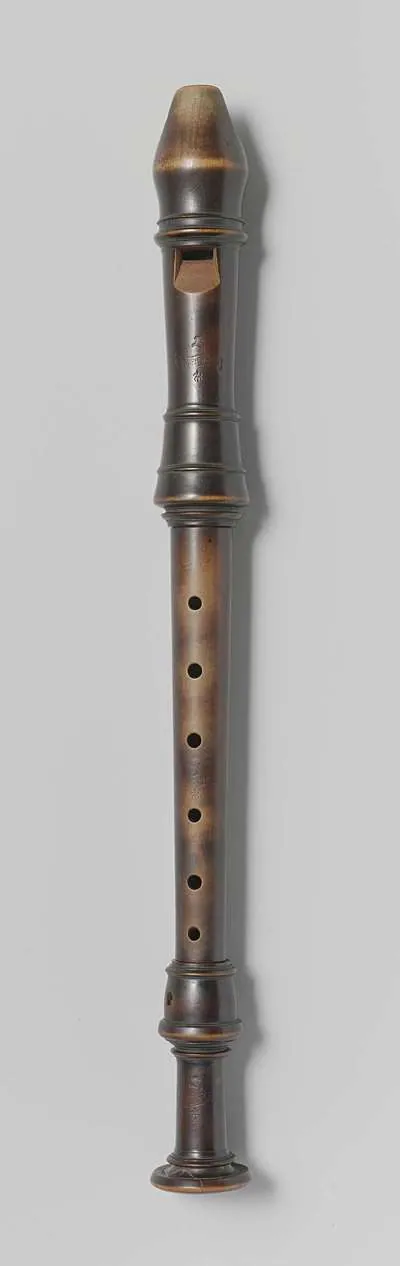
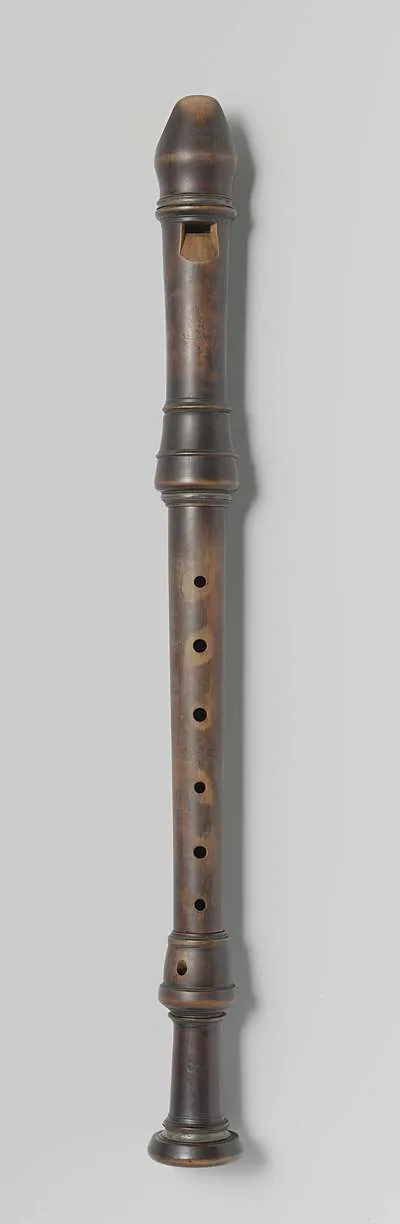
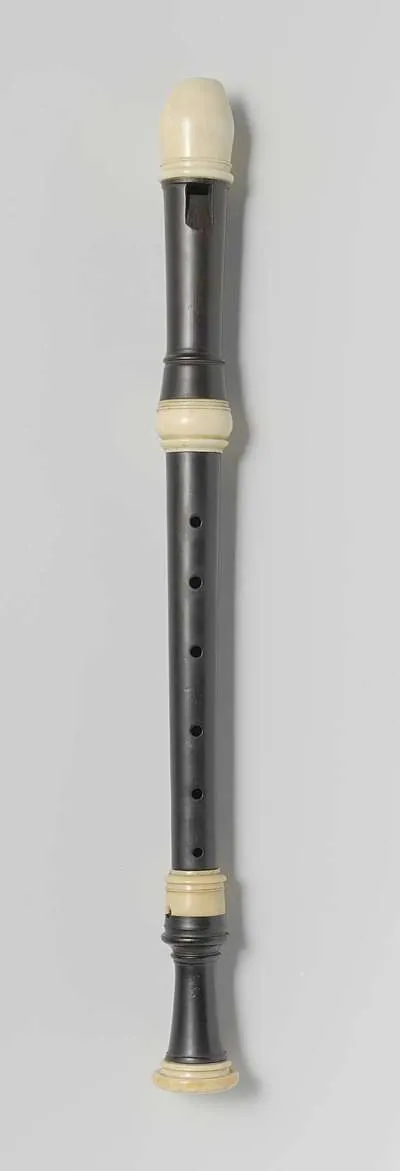
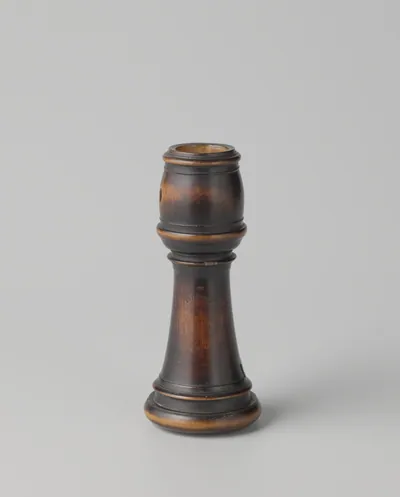
Historic examples in museums
Museum →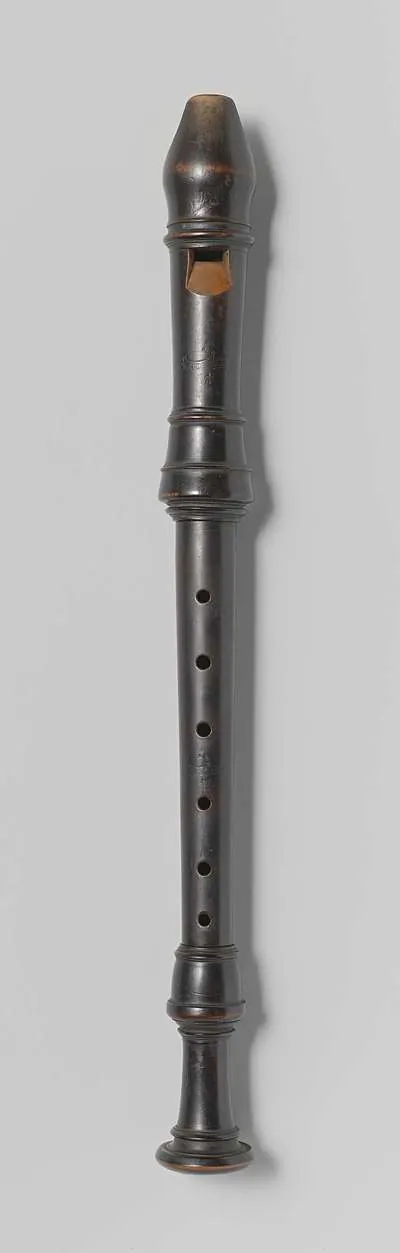
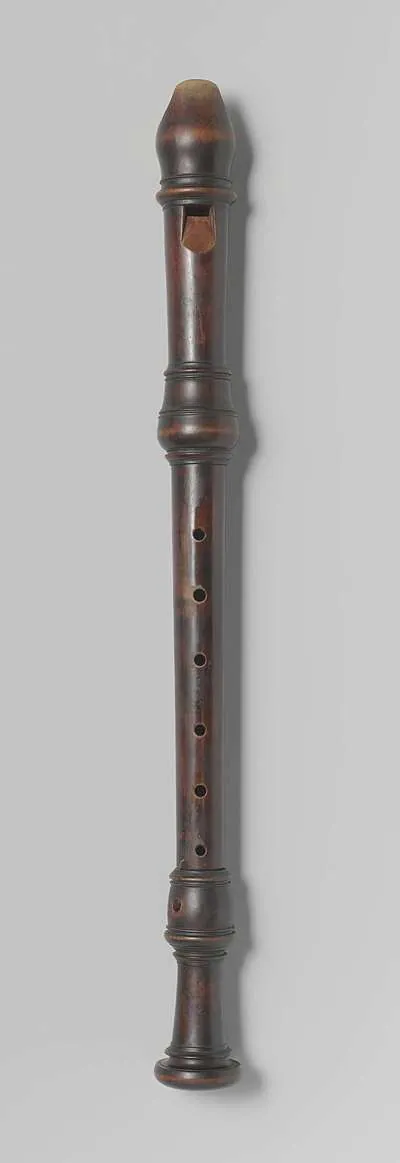
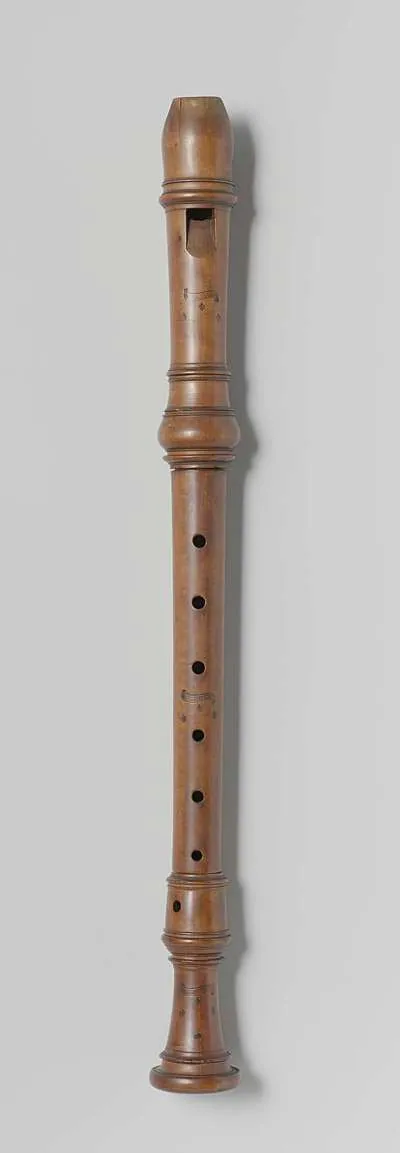
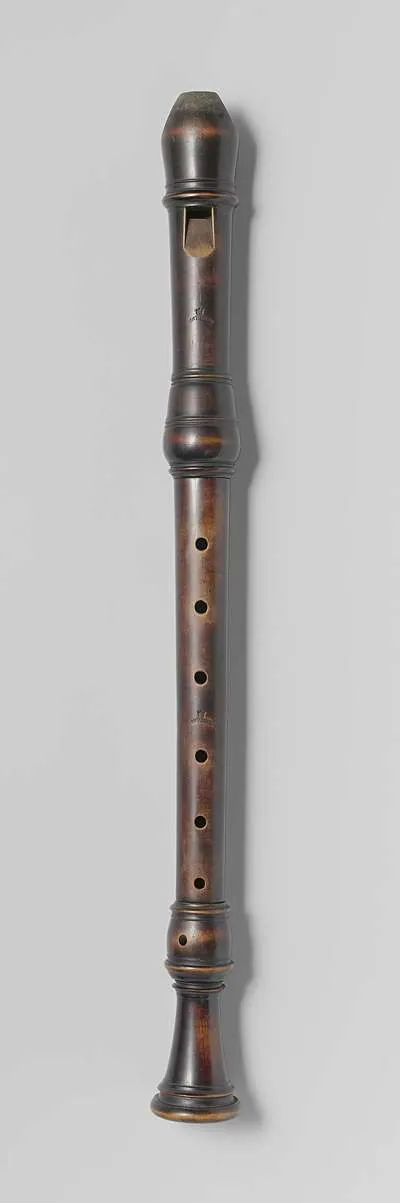
Related instruments
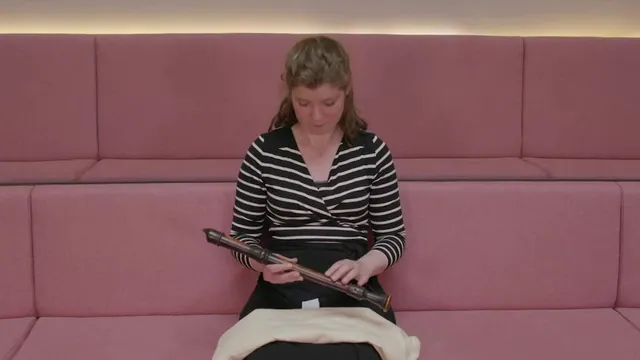
Alto Recorder
The baroque 'treble recorder', written at pitch with its lowest note F4.
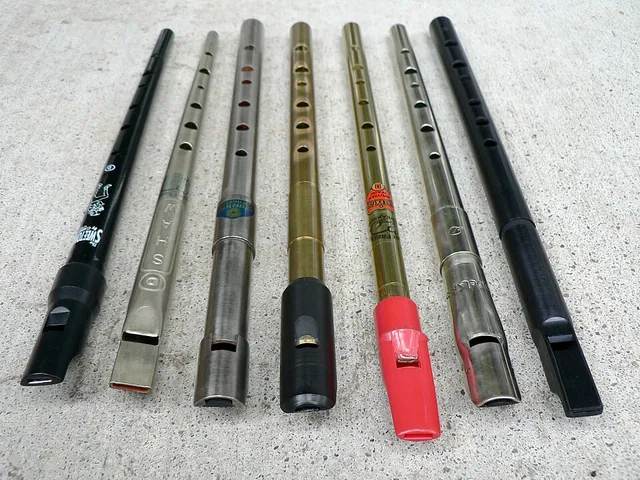
Tin Whistle
Six-holed duct flute at the heart of Irish traditional music.
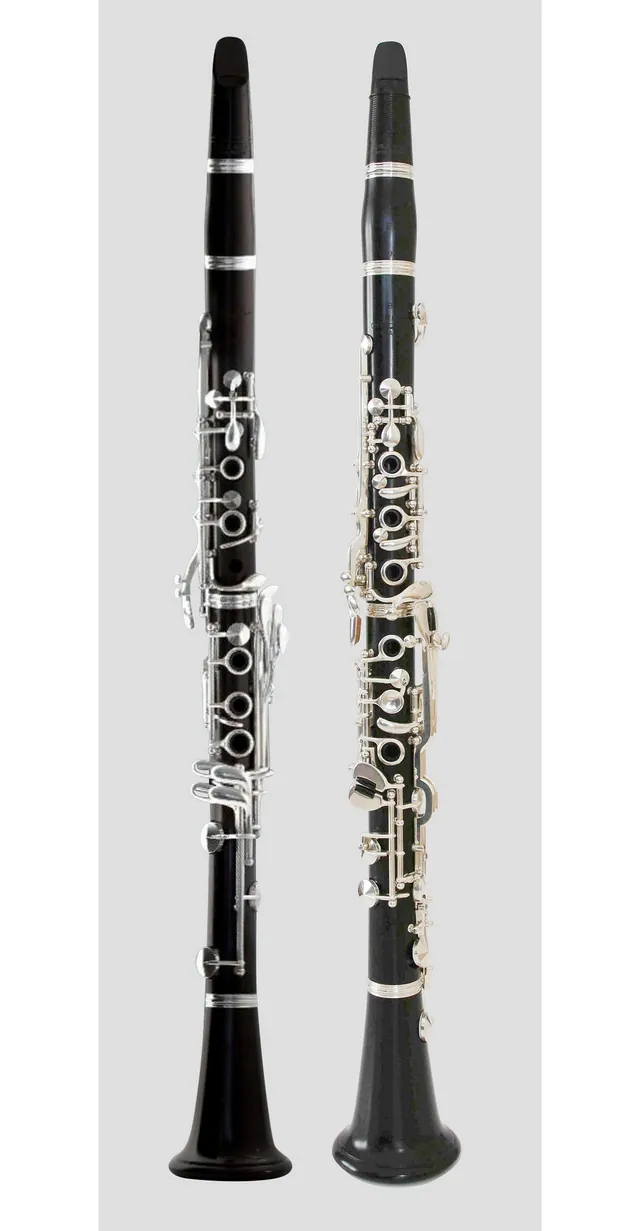
B♭ Clarinet
The most common clarinet: written C sounds B♭ a whole step lower.

A Clarinet
Slightly longer sibling of the B♭ clarinet; written C sounds A, a minor third lower.
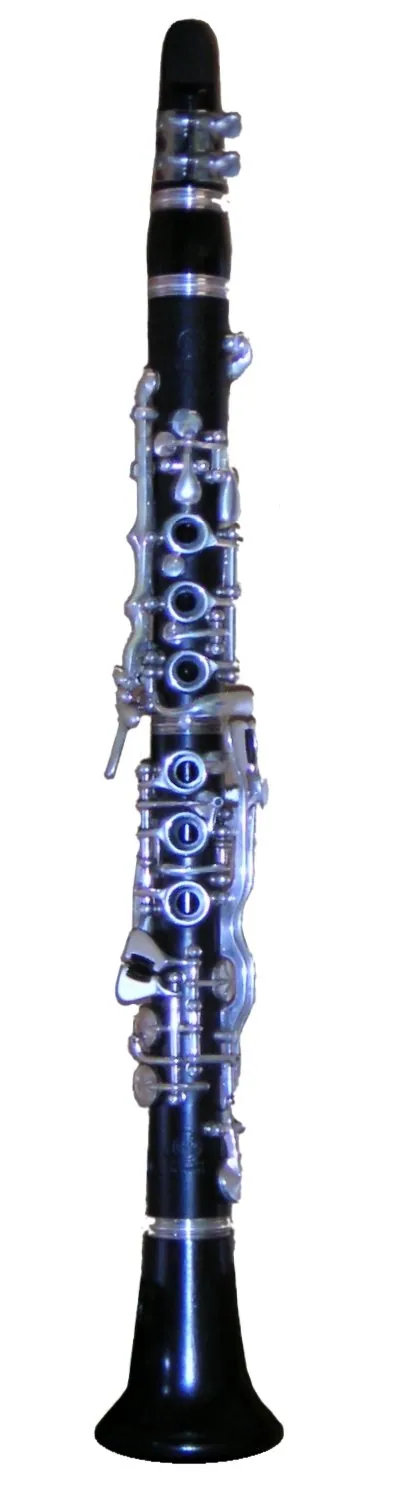
E♭ Clarinet
The small 'piccolo' of the clarinet family; written C sounds E♭ a minor third higher.
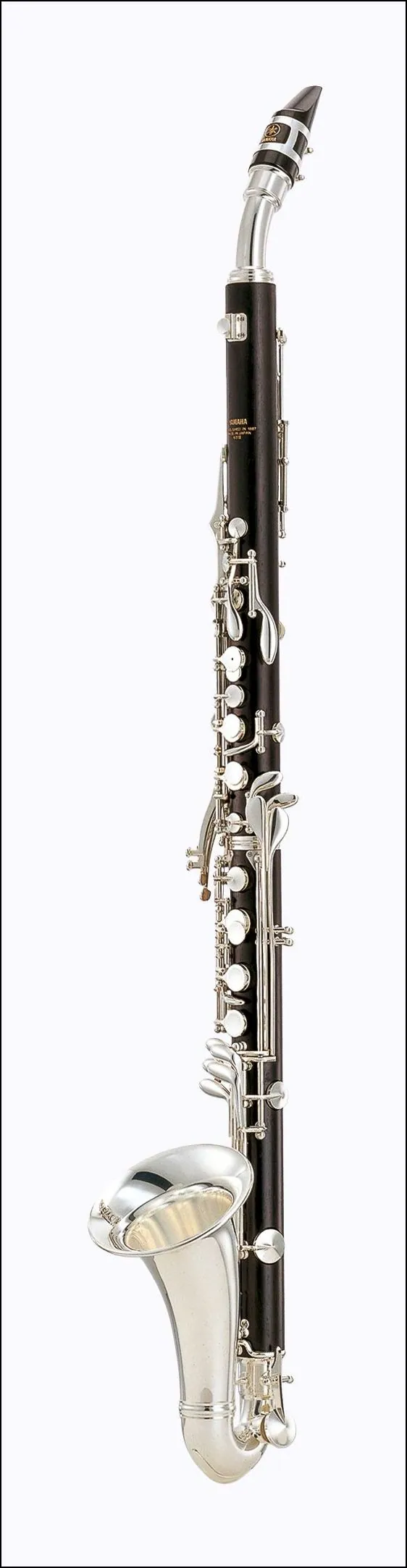
Alto Clarinet
Pitched in E♭ a fifth below the B♭ soprano; written C sounds E♭ a major sixth lower.