Woodwinds · Double reed · Oboe family
Oboe d'amore
Pitched in A between oboe and English horn; sounds a minor third lower than written.
Quick facts
| Family | Woodwinds — Double reed |
|---|---|
| Hornbostel–Sachs | 422.112-71 |
| Pitched in | A |
| Transposition | Sounds a minor third lower than written |
| Written range | B3 – E6 |
| Sounding range | G♯3 – C♯6 (207.65 – 1109 Hz) |
| Clef | Treble |
| Other names | Oboe d’amore, hautbois d'amour, oboe de amor |
Player's notes
- Pitched in A between oboe and English horn; sounds a minor third lower than written.
- A favourite colour of J. S. Bach's cantatas.
About the oboe d'amore
The oboe d'amore (Italian for 'love oboe'; (pronounced [ˈɔːboe daˈmoːre]), less commonly hautbois d'amour (French: [obwɑ damuʁ]), is a double-reed woodwind musical instrument in the oboe family. Slightly larger than the oboe, it has a less assertive and a more tranquil and serene tone, and is sometimes considered the alto of the oboe family, between the oboe (soprano) and the cor anglais, or English horn (tenor, but sometimes also considered an alto). It is a transposing instrument pitched in A sounding a minor third lower than it is notated. The bell (called Liebesfuß) is pear-shaped and the instrument uses a crook or bocal, similar to but shorter than that of the cor anglais.
Text adapted from the Wikipedia article “Oboe d'amore”, licensed under CC BY-SA 4.0.
Listen
Recordings from Wikimedia Commons, found via Openverse.
Notable repertoire
- Symphony No. 46 — Wolfgang Amadeus Mozart (1771)
- The Sorcerer's Apprentice — Paul Dukas (1890)
- Sinfonia Concertante for Four Winds — Wolfgang Amadeus Mozart (1778)
- Rondo in C for Violin and Orchestra — Wolfgang Amadeus Mozart (1781)
- Oboe Concerto — Wolfgang Amadeus Mozart (1777)
- Three Romances for Oboe and Piano — Robert Schumann (1849)
- Mass in D — Ethel Smyth
- Henrico Leone — Agostino Steffani
- Concerto in A minor for Oboe and Strings — Ralph Vaughan Williams (1944)
- Concerto for Oboe and Strings in D minor — Alessandro Marcello
- Oboe Sonata — Francis Poulenc (1962)
- Six Metamorphoses after Ovid — Benjamin Britten (1951)
Frequently asked questions
What is the range of the oboe d'amore?
The practical written range of the oboe d'amore is B3 to E6, which sounds G♯3 to C♯6 (207.7 Hz to 1109 Hz at A4 = 440 Hz).
Is the oboe d'amore a transposing instrument?
Yes. The oboe d'amore is pitched in A: sounds a minor third lower than written. A written C sounds A.
What clef does the oboe d'amore read?
The oboe d'amore reads treble clef.
How is the oboe d'amore classified?
In the Hornbostel–Sachs system the oboe d'amore is classified as 422.112-71.
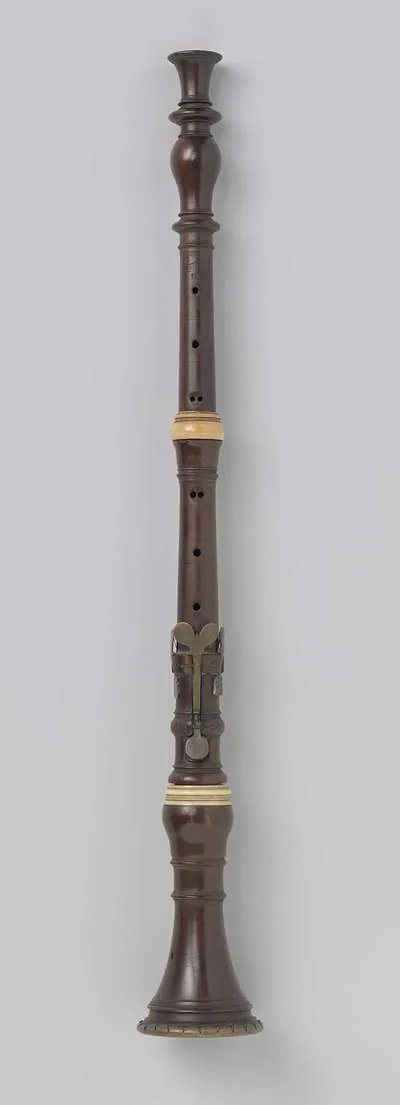
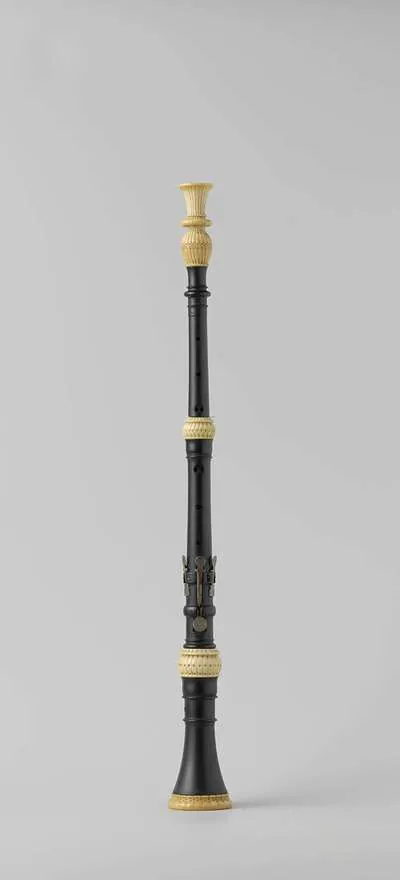
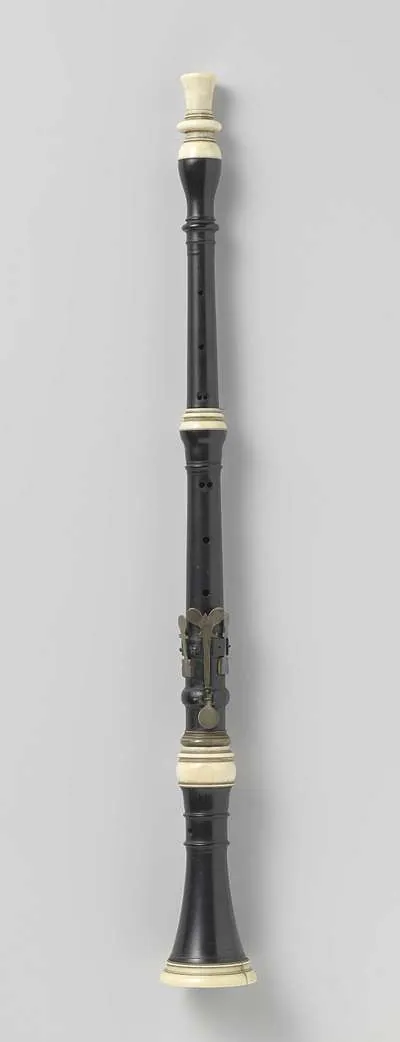
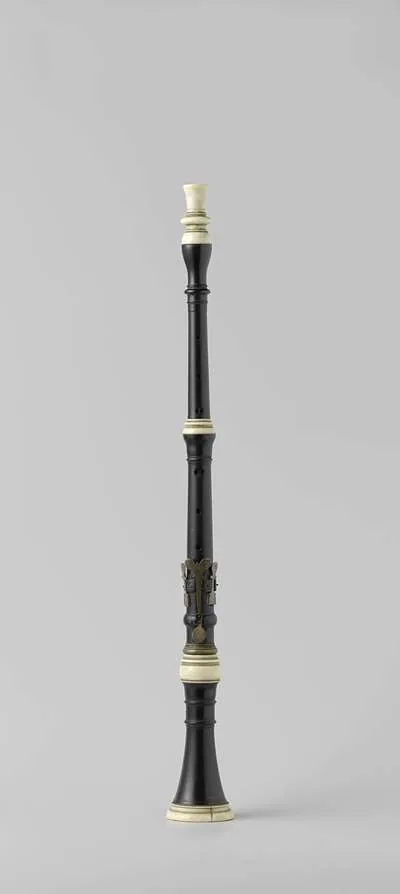
Historic examples in museums
Museum →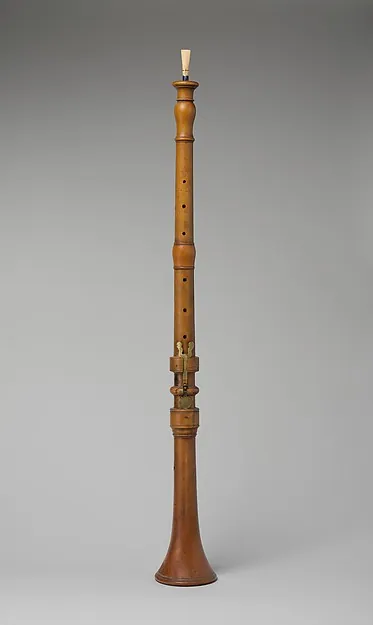
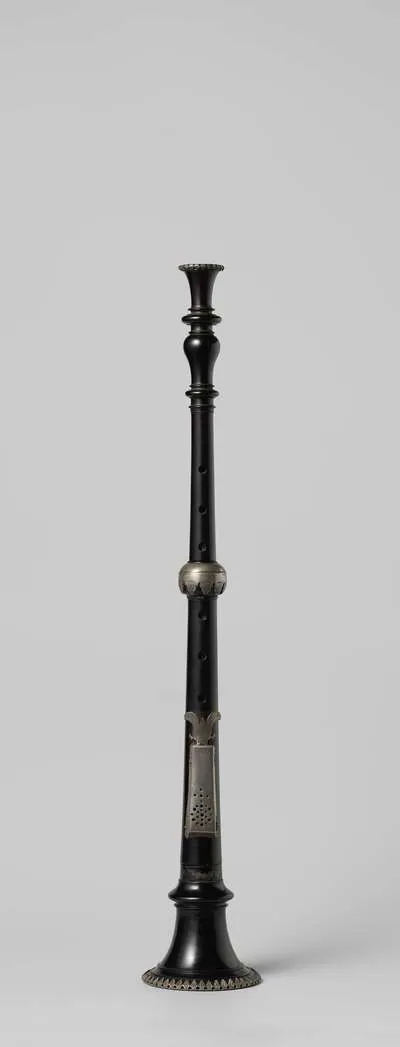
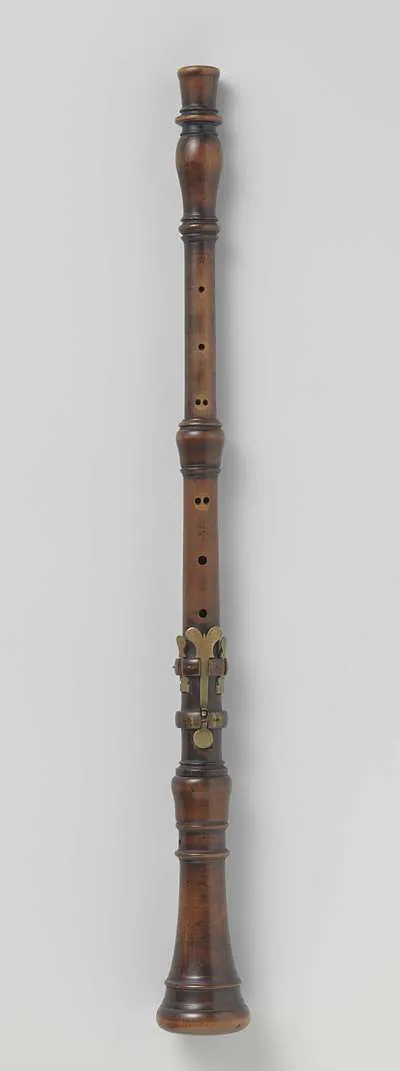
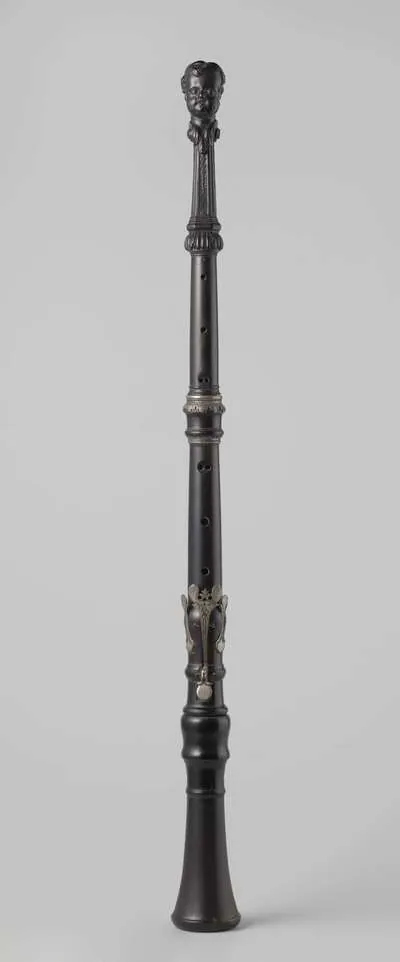
Related instruments
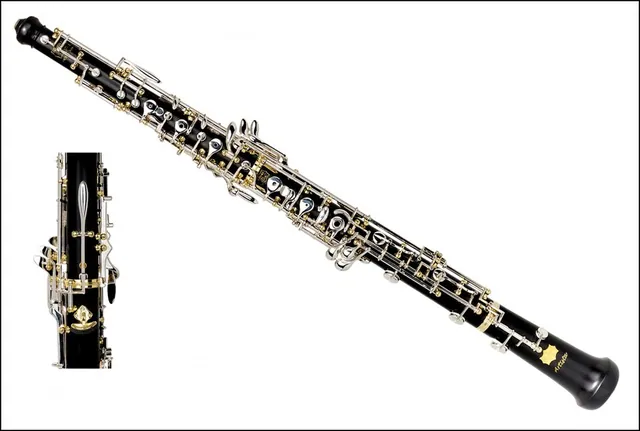
Oboe
Non-transposing double-reed instrument with a conical bore.
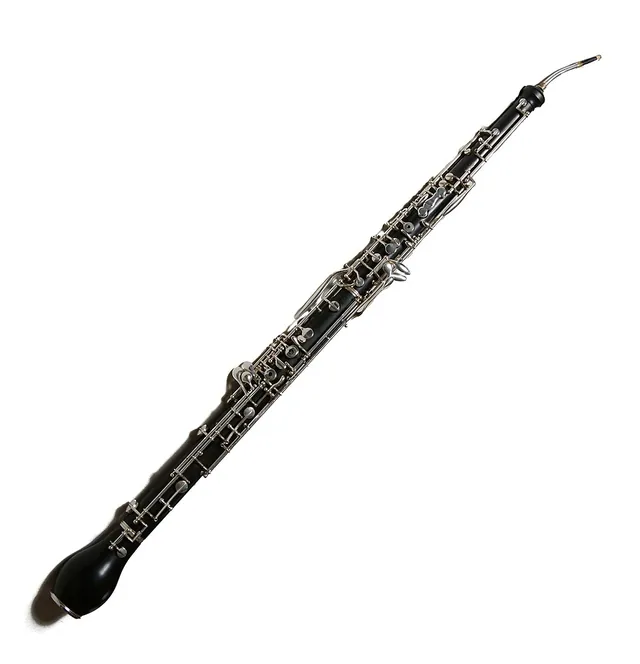
English Horn
An alto oboe in F with a bulb-shaped bell; written C sounds F a fifth lower.
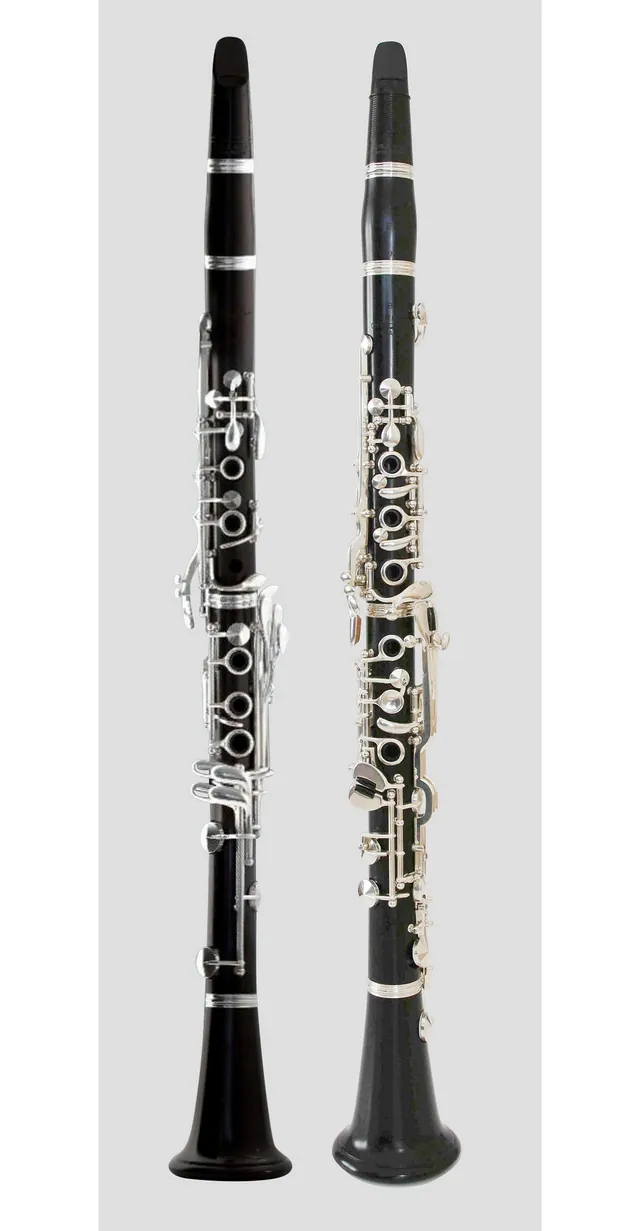
B♭ Clarinet
The most common clarinet: written C sounds B♭ a whole step lower.

A Clarinet
Slightly longer sibling of the B♭ clarinet; written C sounds A, a minor third lower.
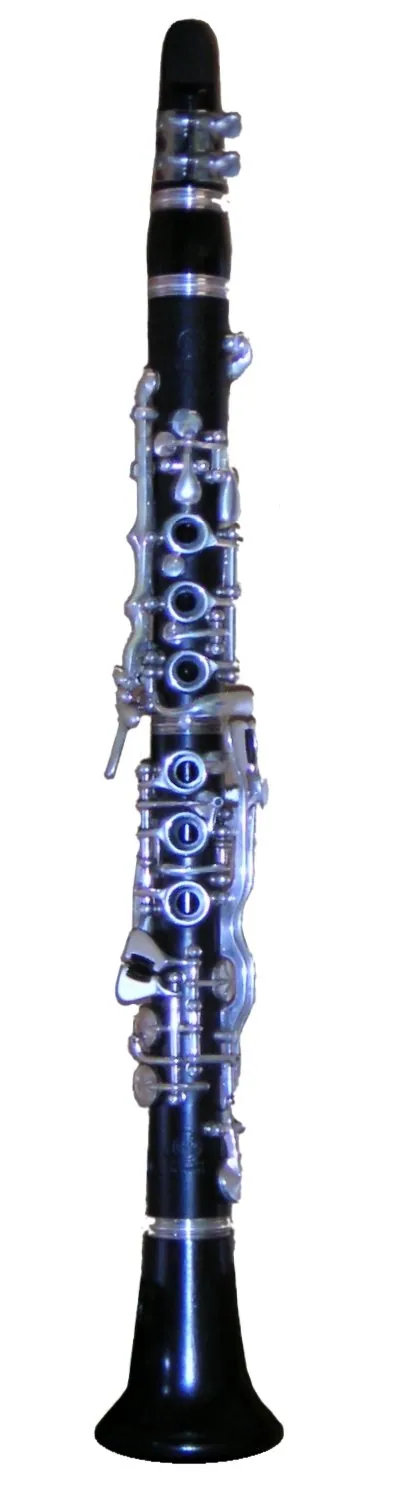
E♭ Clarinet
The small 'piccolo' of the clarinet family; written C sounds E♭ a minor third higher.
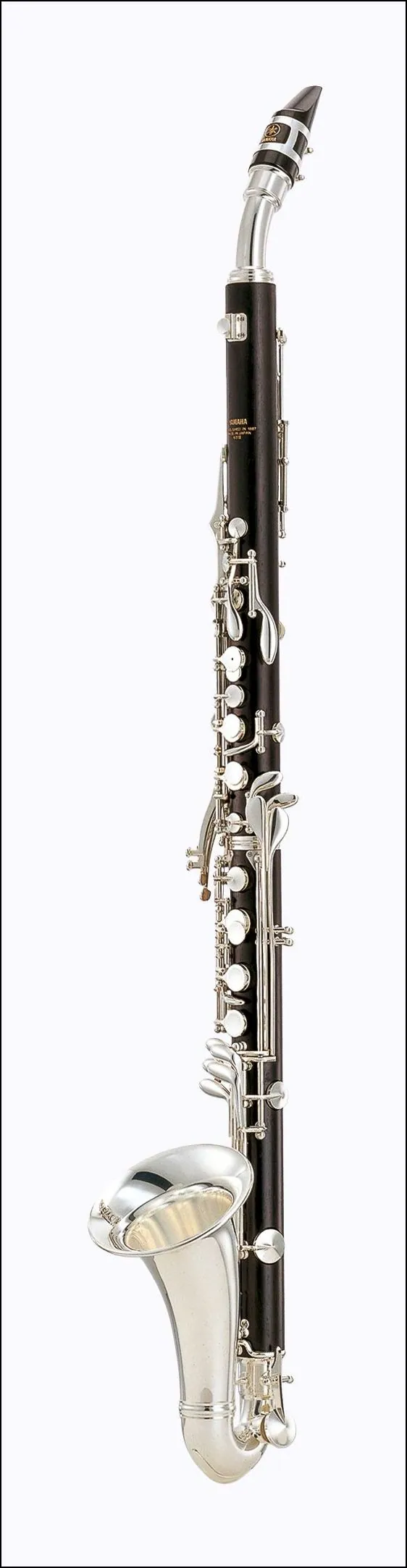
Alto Clarinet
Pitched in E♭ a fifth below the B♭ soprano; written C sounds E♭ a major sixth lower.