Brass · Lip-reed (slide) · Trombone family
Bass Trombone
Wider bore and bell than the tenor, with one or two valve attachments.
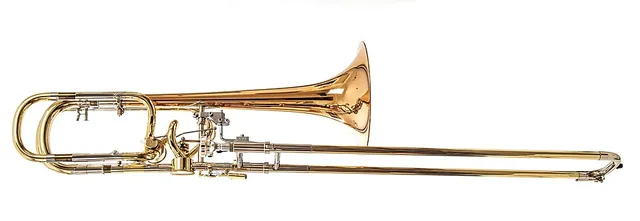
Quick facts
| Family | Brass — Lip-reed (slide) |
|---|---|
| Hornbostel–Sachs | 423.22 |
| Pitched in | C |
| Transposition | Sounds as written (non-transposing) |
| Written range | B♭1 – B♭4 |
| Sounding range | B♭1 – B♭4 (58.27 – 466 Hz) |
| Clef | Bass |
| Other names | Bassposaune, trombone basse, trombón bajo |
Player's notes
- Wider bore and bell than the tenor, with one or two valve attachments.
About the bass trombone
The bass trombone is the bass instrument in the trombone family of brass instruments. Modern instruments are pitched in the same B♭ as the tenor trombone but with a larger bore, bell and mouthpiece to facilitate low register playing, and usually two valves to fill in the missing range immediately above the pedal tones.
Text adapted from the Wikipedia article “Bass trombone”, licensed under CC BY-SA 4.0.
Listen
Recordings from Wikimedia Commons, found via Openverse.
Frequently asked questions
What is the range of the bass trombone?
The practical written range of the bass trombone is B♭1 to B♭4, which sounds B♭1 to B♭4 (58.3 Hz to 466 Hz at A4 = 440 Hz).
Is the bass trombone a transposing instrument?
No. The bass trombone sounds at written pitch (concert pitch).
What clef does the bass trombone read?
The bass trombone reads bass clef.
How is the bass trombone classified?
In the Hornbostel–Sachs system the bass trombone is classified as 423.22.
Related instruments
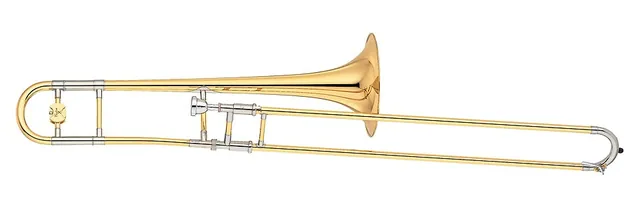
Trombone
Non-transposing in orchestral music; seven slide positions.
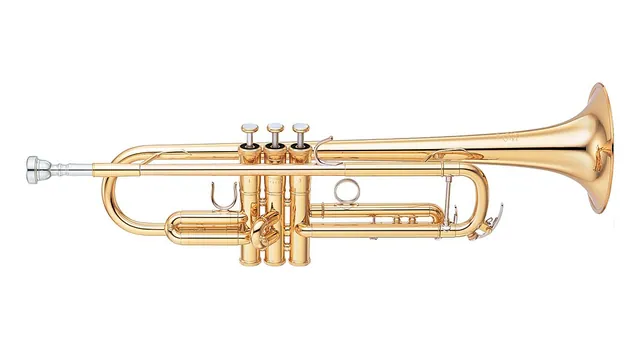
Trumpet
B♭ trumpet sounds a whole step lower than written; orchestral players also use C trumpets.
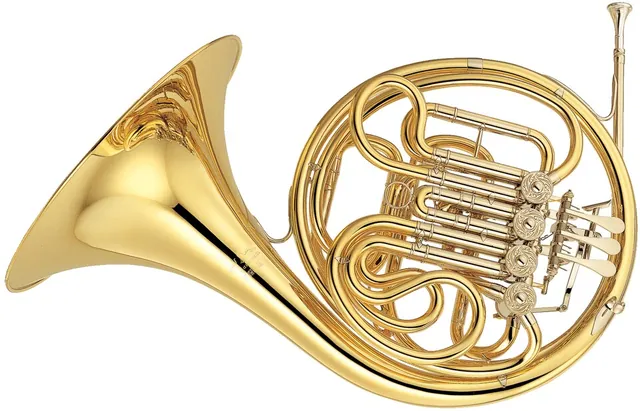
French Horn
Horn in F sounds a perfect fifth lower than written.
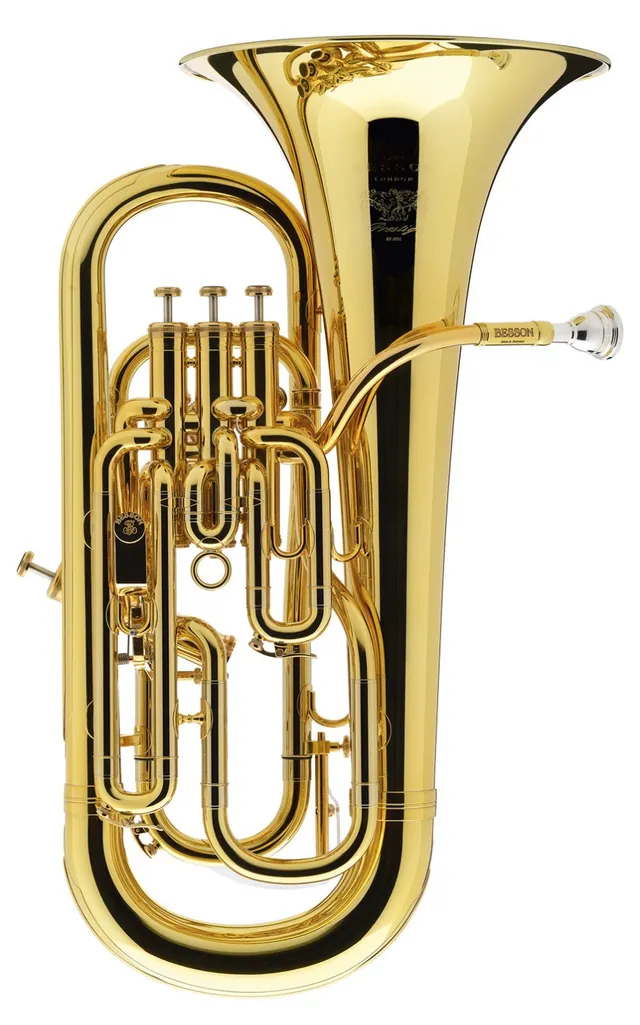
Euphonium
Conical-bore tenor tuba; in bass clef it reads at concert pitch.
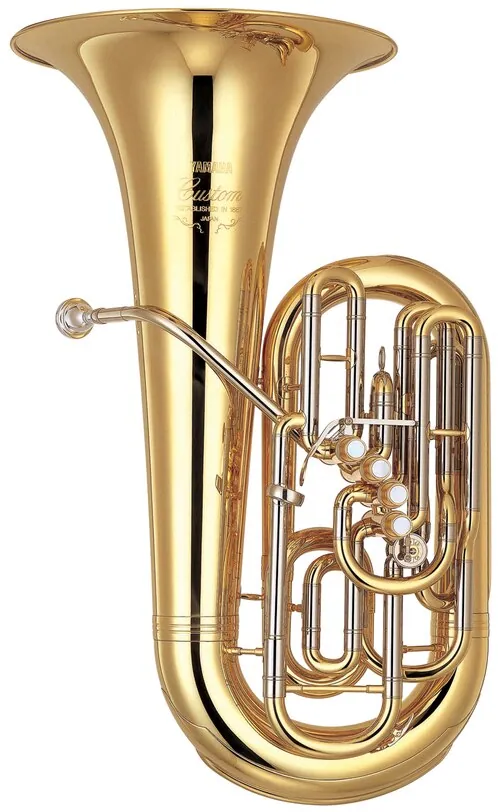
Tuba
Built in B♭, C, E♭ or F but always written at concert pitch in orchestral music.