Composer · Early Romantic · 1782–1840
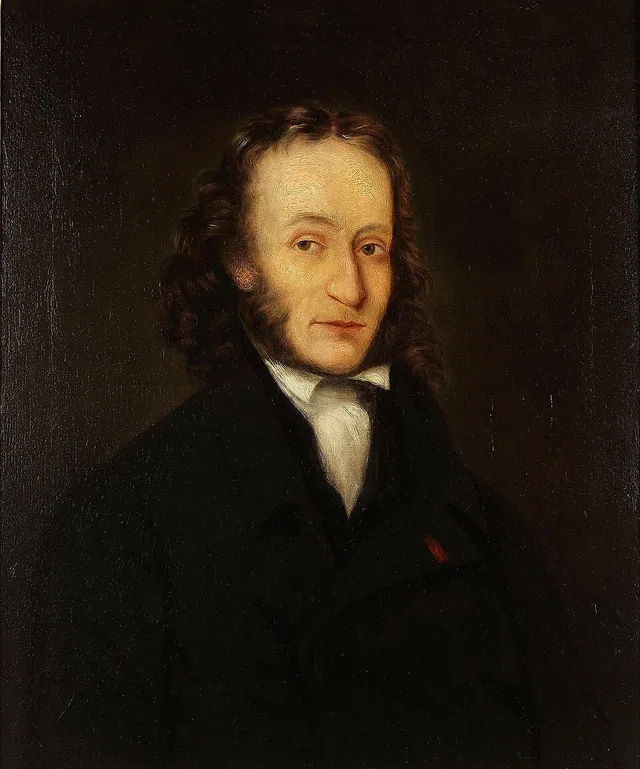
Niccolò Paganini
Italian violinist and composer (1782–1840).
Biography
Niccolò (or Nicolò) Paganini (; Italian: [ni(k)koˈlɔ ppaɡaˈniːni] ; 27 October 1782 – 27 May 1840) was an Italian violinist, guitarist and composer. He was the most celebrated violin virtuoso of his time, and left his mark as one of the pillars of modern violin technique. His 24 Caprices for Solo Violin Op. 1 are among the best known of his compositions.
Son of a ship chandler from Genoa, Paganini showed a gift for music from an early age and studied under Alessandro Rolla, Ferdinando Paer and Gasparo Ghiretti. Accompanied by his father, he toured northern Italy extensively as a teenager. By 1805 he had come into the service of Napoleon's sister, Elisa Bonaparte, who then ruled Lucca where Paganini was first violin. From 1809 on he returned to touring and achieved continental fame in the subsequent two and a half decades, developing a reputation for his technical brilliance and showmanship, as well as his extravagant, philandering lifestyle. Paganini ended his concert career in 1834 amid declining health, and the failure of his Paris casino left him in financial ruin. He retired and died in Nice (at that time still part of the Kingdom of Sardinia) in 1840 at the age of 57.
Text adapted from the Wikipedia article “Niccolò Paganini”, licensed under CC BY-SA 4.0.
Works with bassoon
- 3 Duets, for violin and bassoon, MS130
- Concertino for Horn, Bassoon and Orchestra, "Niccolò Paganini a Mr. Henry"
- Violin Concerto No. 1 · free score