Composer · 20th Century · 1895–1963
Paul Hindemith
German composer (1895–1963).
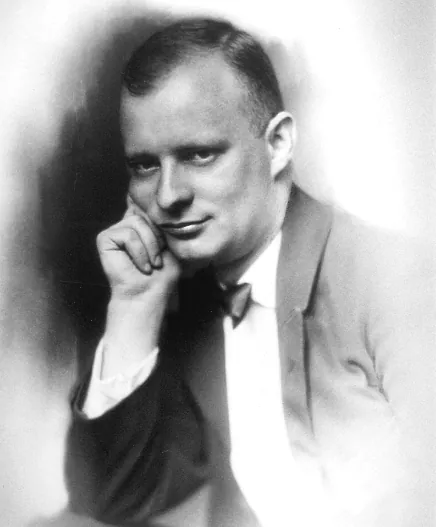
Biography
Paul Hindemith ( POWL HIN-də-mit; German: [ˌpaʊ̯l ˈhɪndəmɪt] ; 16 November 1895 – 28 December 1963) was a German and American composer, music theorist, teacher, violist, and conductor. He founded the Amar Quartet in 1921, touring extensively in Europe. As a composer, he became a major advocate of the Neue Sachlichkeit (New Objectivity) style of music in the 1920s, with compositions such as Kammermusik, including works with viola and viola d'amore as solo instruments in a neo-Bachian spirit. His other notable compositions include the song cycle Das Marienleben (1923), Der Schwanendreher for viola and orchestra (1935), the opera Mathis der Maler (1938) and the symphony Mathis der Maler (1934), the Symphonic Metamorphosis of Themes by Carl Maria von Weber (1943), and the oratorio When Lilacs Last in the Dooryard Bloom'd (1946), a requiem based on Walt Whitman's poem. Hindemith and his wife emigrated to Switzerland and the United States ahead of World War II, after worsening difficulties with the Nazi German regime. In his later years, he conducted and recorded much of his own music.
Most of Hindemith's compositions are anchored by a foundational tone, and use musical forms and counterpoint and cadences typical of the Baroque and Classical traditions. His harmonic language is more modern, freely using all 12 notes of the chromatic scale within his tonal framework, as detailed in his three-volume treatise, The Craft of Musical Composition.
Text adapted from the Wikipedia article “Paul Hindemith”, licensed under CC BY-SA 4.0.
Works with bassoon
- Bassoon Sonata · free score
- Concerto, for flute, oboe, clarinet, bassoon, harp, and orchestra
- Concerto, for trumpet, bassoon, and string orchestra
- Kleine Kammermusik, Op. 24, No. 2 · free score
- Octet, for clarinet, bassoon, horn, violin, 2 violas, cello, and bass
- Septet, for flute, oboe, clarinet, bass clarinet, bassoon, horn, and trumpet
Works with clarinet
- Quartet for clarinet, violin, cello and piano (1938) · free score
- Clarinet Concerto
- Clarinet Sonata · free score
- Concerto, for flute, oboe, clarinet, bassoon, harp, and orchestra
- Die Junge Magd, song cycle for alto, flute, clarinet, and string quartet, op. 23b
- Duet for Violin and Clarinet
- Kleine Kammermusik, Op. 24, No. 2 · free score
- Octet, for clarinet, bassoon, horn, violin, 2 violas, cello, and bass
- Quintet for Clarinet and String Quartet, op. 30
- Septet, for flute, oboe, clarinet, bass clarinet, bassoon, horn, and trumpet
Works with flute
- 8 Pieces, for flute
- 8 Stucke, for flute
- Concerto, for flute, oboe, clarinet, bassoon, harp, and orchestra
- Die Junge Magd, song cycle for alto, flute, clarinet, and string quartet, op. 23b
- Echo for Flute and Piano
- Flute Sonata · free score
- Kleine Kammermusik, Op. 24, No. 2 · free score
- Septet, for flute, oboe, clarinet, bass clarinet, bassoon, horn, and trumpet
Works with oboe
- Concerto, for flute, oboe, clarinet, bassoon, harp, and orchestra
- English Horn Sonata
- Kleine Kammermusik, Op. 24, No. 2 · free score
- Oboe Sonata · free score
- Septet, for flute, oboe, clarinet, bass clarinet, bassoon, horn, and trumpet
Works with recorder
- Trio for Recorders
Works with saxophone
- Konzertstück, for 2 alto saxophones